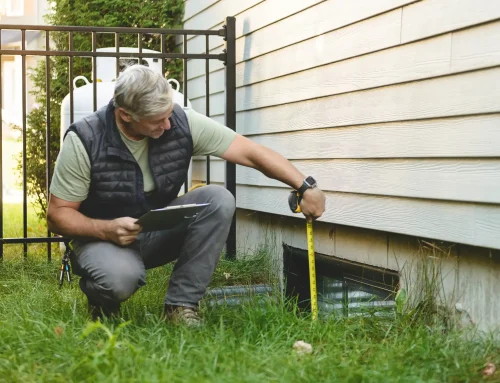
Does Homeowners Insurance Cover a Finished Basement in Pennsylvania?
Written by Bob Kelly, Agency Principal at PolicyVisor, with over 20 years of insurance experience
If you’ve ever finished a basement, you know how quickly the cost can add up.
What starts as a plan to put down some flooring and hang a little drywall can turn into a full-blown renovation.
Before you know it, you’ve got a family room, a bathroom, a bar, a home office, or a playroom for the kids.
And you’ve probably spent quite a bit more than you originally planned.
But here’s something homeowners don’t always think about.
Does your homeowners insurance reflect everything you’ve done to the basement?
The answer isn’t necessarily as simple as yes or no.
Generally speaking, a finished basement is part of your home and can be covered by your homeowners insurance.
But what caused the damage, how your policy is written, and whether your insurance company knows about the improvements can make a big difference.
Is a Finished Basement Covered Under Homeowners Insurance?
In most cases, yes.
A finished basement is generally considered part of the dwelling.
When I explain homeowners insurance, I describe Coverage A, or dwelling coverage, as protecting the house itself and things permanently attached to it.
That includes the basement.
If you’ve installed drywall, flooring, built-in cabinets, a bathroom, or other permanent improvements, those are generally considered part of the home.
You don’t typically need a separate insurance policy just because you’ve finished your basement.
But that doesn’t mean every type of damage is covered.
And that’s where things get interesting.
What Caused the Damage?
This is one of the most important questions when it comes to homeowners insurance.
Let’s say you’ve spent $50,000 finishing your basement.
You’ve got beautiful flooring, a sectional couch, a television, a bar, and a bathroom.
Now something happens, and the basement is damaged.
Whether your homeowners insurance responds depends heavily on what happened.
Fire Damage
Let’s say an electrical fire damages your finished basement.
Fire is generally a covered cause of loss under a standard homeowners policy.
Assuming the policy conditions are met and you have adequate coverage, the insurance company may pay to repair or replace the damaged portions of the basement.
A Burst Pipe
Now let’s say a plumbing pipe suddenly breaks and damages your drywall and flooring.
That may also be a covered loss, depending on the circumstances.
However, damage caused by long-term leaks, deterioration, or lack of maintenance may be treated differently.
Sewer or Drain Backup
This is one I pay particular attention to.
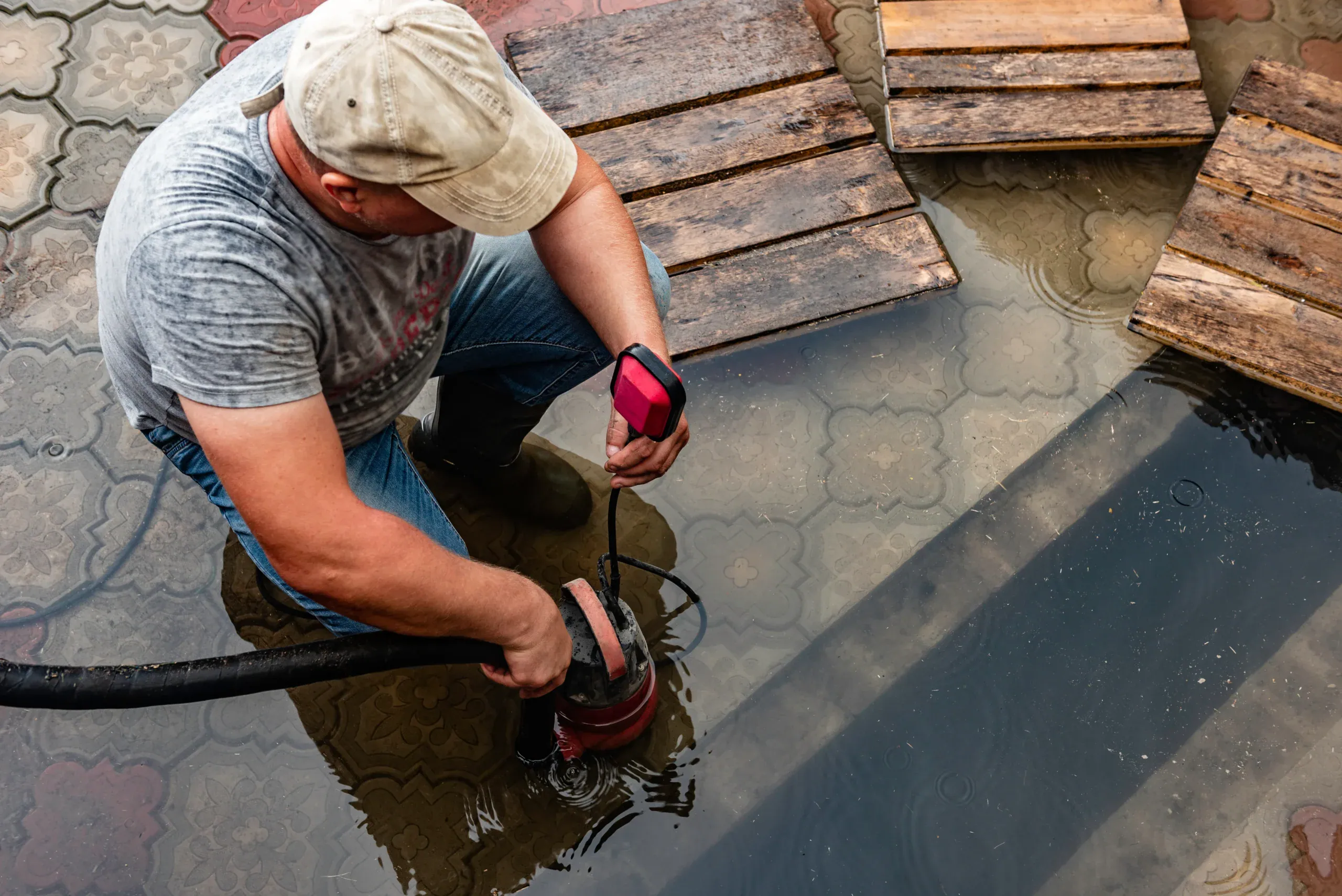
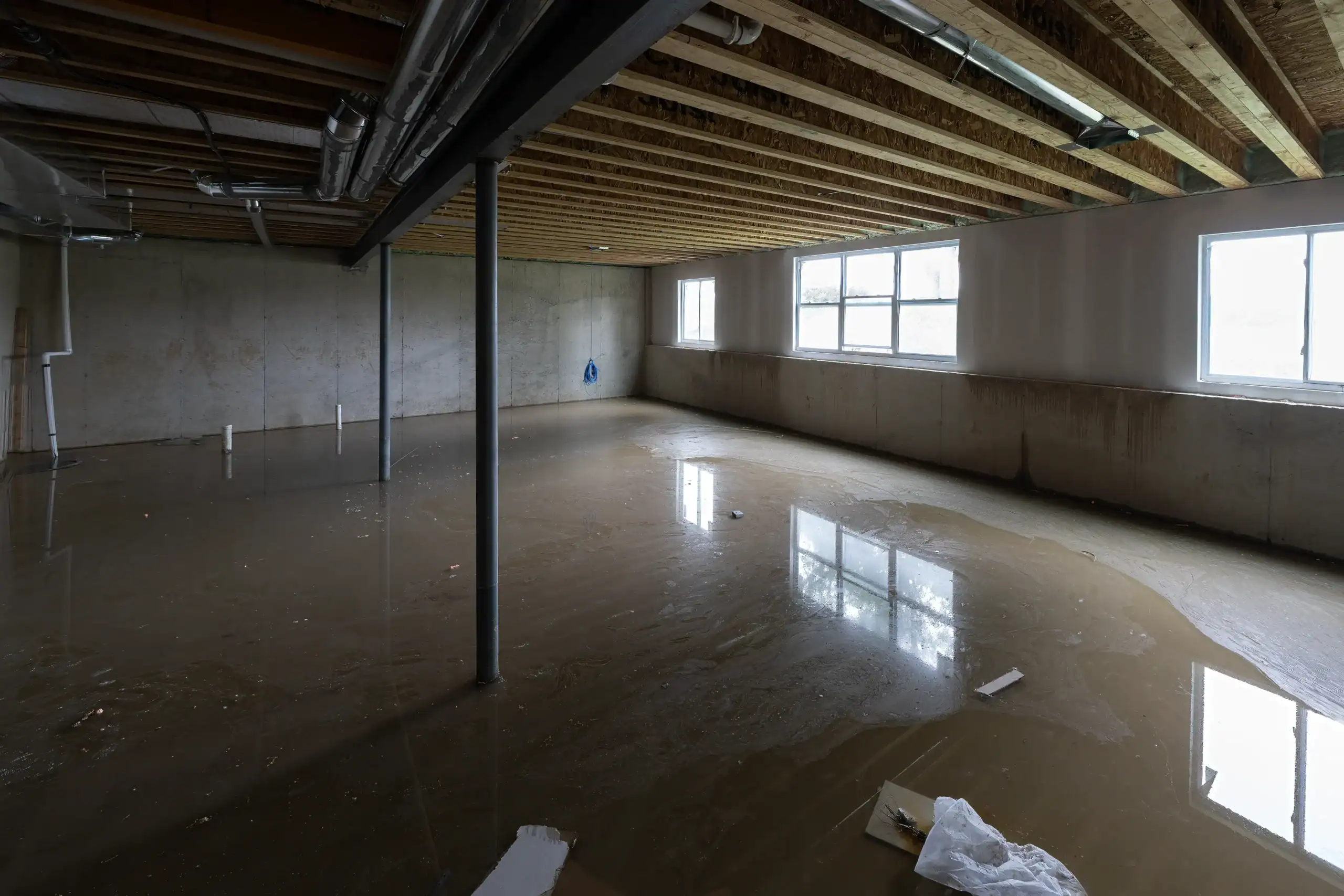
If sewage backs up through a basement drain and damages your finished basement, you may need backup of sewer and drain coverage.
This is generally an optional endorsement, and the limit can be significantly lower than the amount of dwelling coverage on your homeowners policy.
Water Coming Through the Foundation
Let’s say we get several days of heavy rain, the ground becomes saturated, and water starts coming through your basement walls or floor.
That’s a different situation.
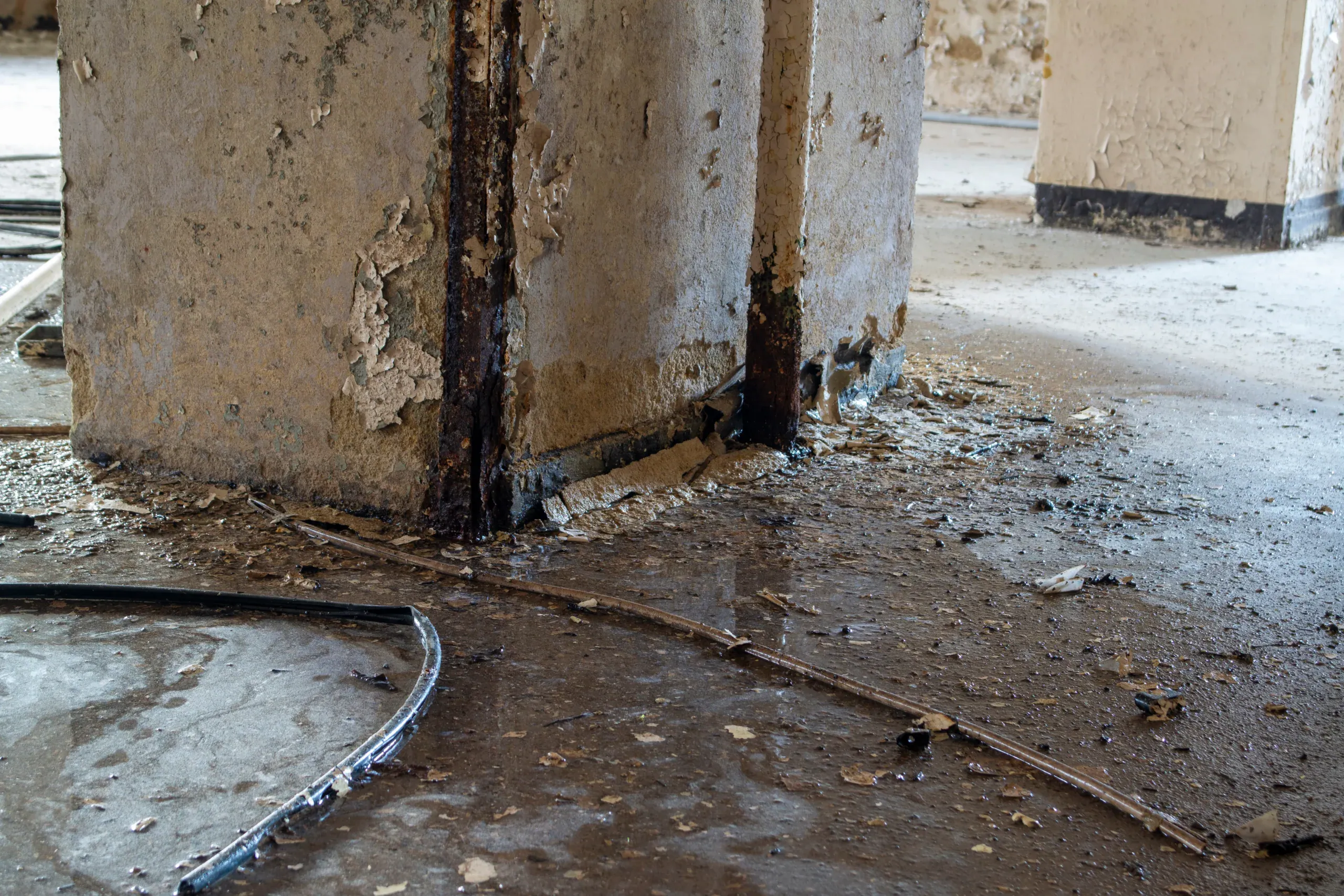
Groundwater seepage through the foundation is generally excluded under standard homeowners policies.
Flooding
If rising surface water enters your basement, that’s generally a flood insurance issue.
Standard homeowners insurance doesn’t cover flooding.
And even if you have flood insurance, there can be significant limitations on coverage for finished basements.
The point is that having a finished basement doesn’t determine whether a claim is covered. What caused the damage matters.
Did You Tell Your Insurance Company You Finished the Basement?
This is something I think homeowners should pay more attention to.
Let’s say you purchased your house ten years ago.
At the time, the basement was unfinished.
Concrete floor. Block walls. Maybe a washer, dryer, and some storage.
Your insurance company calculated the estimated replacement cost of the home based on that information.
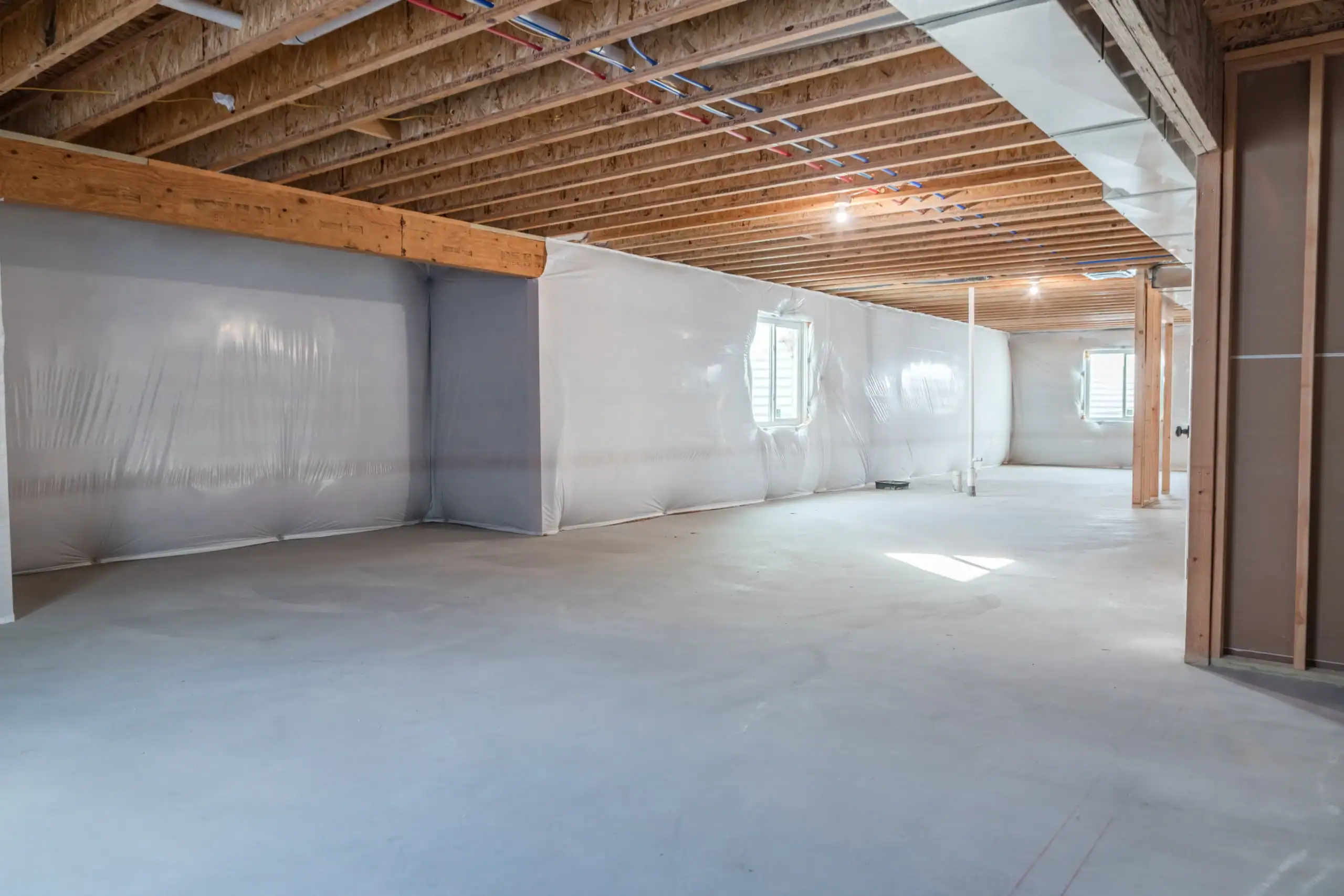
Five years later, you decided to finish the basement.
You added drywall, flooring, lighting, a bathroom, and a small bar.
Maybe you spent $40,000 or $50,000.
Did you tell your insurance company?
If not, the estimated replacement cost of your home may no longer accurately reflect what you’ve got.
And that can create problems.
I’m not saying your finished basement automatically becomes uninsured because you didn’t notify the carrier.
But your dwelling coverage may need to be adjusted, and certain policy conditions or eligibility requirements could be affected.
If you make significant improvements to your home, let your insurance agent know.
It’s a pretty simple conversation, and it can prevent some unpleasant surprises later.
Replacement Cost vs. Market Value
This is another area where homeowners sometimes get confused.
Your homeowners insurance isn’t primarily based on what you could sell your house for.
It’s based on what it would cost to rebuild or repair the home, depending on your policy.
Those are two different numbers.
Let’s say your home is worth $600,000 on the real estate market.
That doesn’t necessarily mean it would cost $600,000 to rebuild.
The land has value. The location has value. The school district has value.
Those things affect what someone will pay for your house, but they aren’t necessarily part of the cost to rebuild it.
Now think about finishing your basement.
You might spend $50,000 on improvements that don’t increase the market value of the house by the same amount.
But those improvements still cost money to replace.
That’s why I want the replacement cost estimate to reflect the home as it actually exists today.
Not what it looked like when you purchased it.
What About Everything You Keep in the Basement?
This is another distinction worth understanding.
The finished portion of the basement is generally part of the dwelling.
But your furniture and belongings are typically covered under personal property coverage, also known as Coverage C.
Let’s say you have a finished basement with a sectional couch, two televisions, a pool table, gaming systems, and furniture.
Those items aren’t necessarily part of the dwelling.
They’re personal property.
And depending on your policy, they may be covered on a replacement cost or actual cash value basis.
There’s a pretty significant difference.
Replacement cost generally pays based on what it costs to replace covered damaged property with something of similar kind and quality, subject to the policy conditions.
Actual cash value generally takes depreciation into account.
That can make a big difference when you’re replacing electronics and furniture.
I generally prefer replacement cost coverage on personal property when it’s available at a reasonable premium.
But remember, even with replacement cost coverage, you still need a covered cause of loss.
Having $200,000 of personal property coverage doesn’t mean every item damaged by water in your basement is automatically covered.
What About Backup of Sewer and Drain Coverage?
I recently wrote an article specifically about backup of sewer and drain coverage because it’s something I pay close attention to.
When I get the call:
“Bob, I have water in my basement.”
The first thing I check is whether the insured has backup of sewer and drain coverage.
It isn’t always the coverage that applies.
But quite often, it is.
When I’m reviewing a homeowners policy, I want to know whether the basement is finished, what’s kept down there, and whether there’s an active sump pump.
I also want to know how much backup of sewer and drain coverage is available.
Let’s say you’ve spent $60,000 finishing your basement, but your policy only provides $5,000 of backup of sewer and drain coverage.
That deserves a conversation.
You could have a significant amount of dwelling coverage and personal property coverage, but a much smaller limit for damage caused by a sewer backup.
And that smaller limit may apply to the entire covered loss.
Depending on the insurance company, higher limits may be available.
I’m not saying everyone needs the highest limit offered.
But I want to make sure the coverage makes sense for what’s actually in the basement.
Does Flood Insurance Cover a Finished Basement?
This is where homeowners really need to be careful.
Standard homeowners insurance generally doesn’t cover flood damage.
So you might assume that purchasing flood insurance solves the problem.
Not necessarily.
The National Flood Insurance Program, or NFIP, has significant restrictions on what it covers in a basement.
Certain equipment, such as furnaces, water heaters, and sump pumps, may be covered.
But finished basement improvements, such as carpeting, finished walls, and other improvements, may have limited coverage or be excluded.
Furniture, televisions, and many other personal belongings in a basement are also generally excluded under NFIP basement restrictions.
Private flood insurance may offer different coverage options, but you need to review the actual policy.
Don’t assume that because you have flood insurance, everything in your finished basement is protected.
That’s an important conversation to have before you experience a flood.
What If I Finish My Basement After Buying the Policy?
Call your insurance agent.
It doesn’t have to be complicated.
Tell us what you’ve done.
Did you add a bathroom?
Did you install new flooring and drywall?
Did you add a bedroom, kitchen, or other living space?
How much of the basement is finished?
Approximately how much did you spend?
We can review the replacement cost estimate and determine whether any changes are needed.
Sometimes that results in an increase in dwelling coverage.
Sometimes the existing coverage is already adequate.
But I’d rather review it than make assumptions.
And while you’re making those improvements, it’s also worth making sure the work complies with applicable building codes and permit requirements.
Insurance coverage and building code compliance are separate issues, but both deserve attention.
Does Finishing Your Basement Increase Your Homeowners Insurance?
It can.
If finishing the basement increases the estimated cost to rebuild your home, your dwelling coverage may need to increase.
That could result in a higher premium.
But the increase isn’t necessarily as significant as people might expect.
It depends on the carrier, the amount of additional coverage, the type of improvements, and other factors.
I wouldn’t avoid telling the insurance company about a finished basement because you’re concerned about the premium.
You’ve already invested the money into improving your home.
It makes sense to protect that investment.
And if the premium does increase, that’s an opportunity to review the entire policy and make sure you’re getting a competitive rate.
What If My Basement Isn’t Finished?
Even an unfinished basement deserves attention.
You may not have drywall, expensive flooring, or a home theater.
But you probably have something down there.
Maybe it’s your furnace, water heater, washer, dryer, tools, holiday decorations, or years of accumulated belongings.
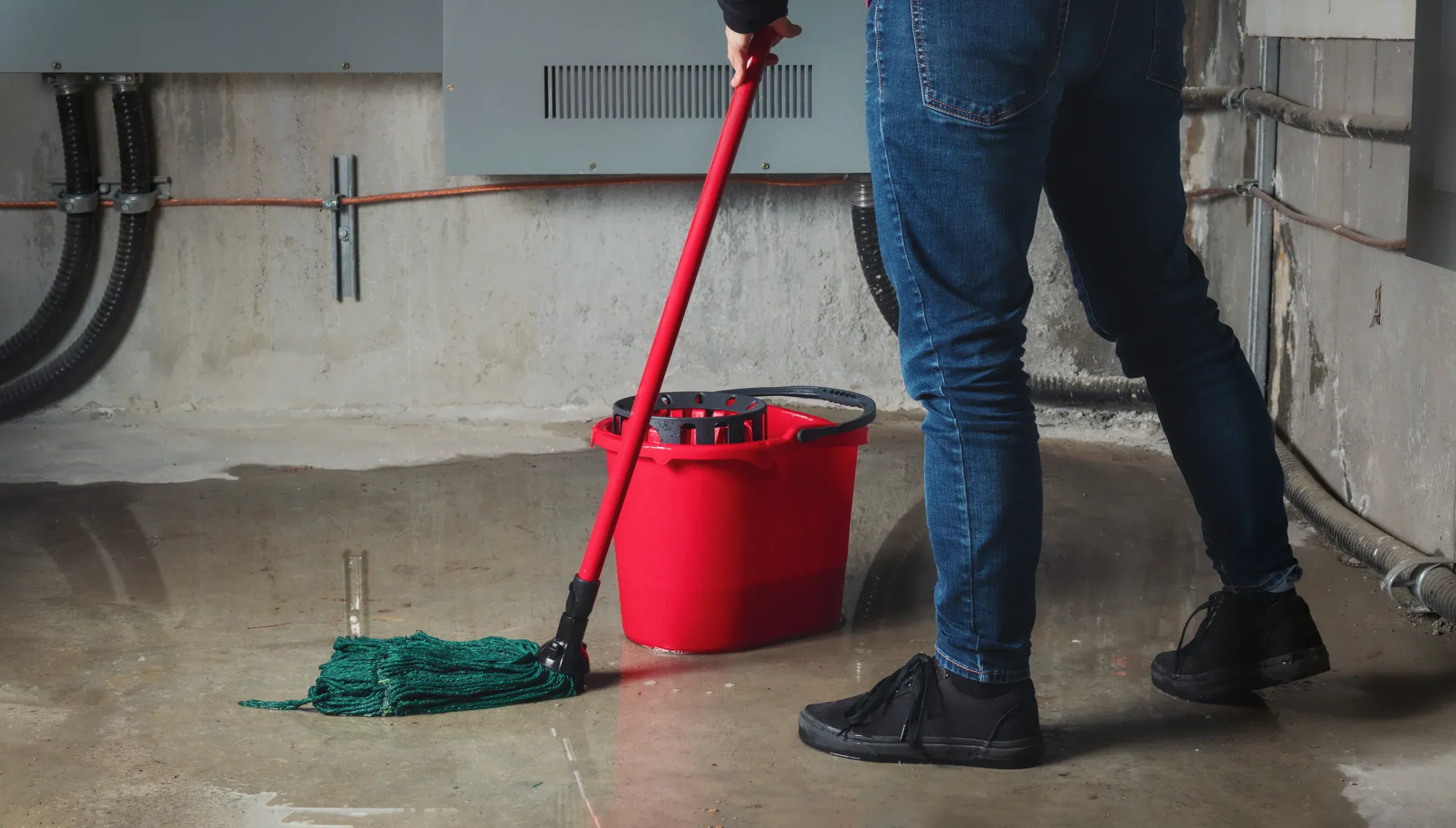
And even if the basement is mostly empty, cleaning up after a sewer backup can still be expensive.
I wouldn’t automatically eliminate backup of sewer and drain coverage just because a basement isn’t finished.
I’d want to know what you have down there, whether there’s a sump pump, and what the coverage costs.
Then we can make an informed decision.
What I Look at When Reviewing a Homeowners Policy
When I’m reviewing someone’s homeowners insurance, I’m not just comparing the annual premium.
I want to know what we’re actually insuring.
If the home has a basement, I want to know whether it’s finished.
If it is, I want to know how much is finished and what’s down there.
Then I’m looking at the dwelling replacement cost, personal property coverage, backup of sewer and drain, service line coverage, deductibles, and other important endorsements.
And then I look at the premium.
Because I’ve said this before, and I’ll probably say it a thousand more times:
I look at premium and coverage together.
Let’s say I can save someone $200 a year on their homeowners insurance.
That’s great.
But if we’re saving that money by reducing important coverage on a home with a $60,000 finished basement, I’m not convinced we’ve accomplished much.
On the other hand, if I can improve the coverage and save money, even better.
Sometimes the best option is the least expensive.
Sometimes it isn’t.
And sometimes I review someone’s current policy and tell them they’re already in pretty good shape.
I’m fine with that too.
The Bottom Line
A finished basement is generally part of your home and can be covered by homeowners insurance.
But there are a few things I want homeowners to remember.
First, make sure your insurance company knows about significant improvements you’ve made to the property.
Second, understand that different causes of damage can have very different coverage outcomes.
And third, pay particular attention to water-related coverages.
A finished basement can be a great investment.
It’s additional living space, somewhere for the kids to play, a place to entertain, or maybe just somewhere to get a little peace and quiet.
But after you’ve spent all that money making it part of your home, it makes sense to make sure your insurance reflects what you’ve built.
I’d much rather have that conversation before there’s a problem.
Want Us to Review Your Homeowners Insurance?
At PolicyVisor Insurance Group, we’re an independent insurance agency helping homeowners throughout Pennsylvania, including Springfield, Delaware County, Chester County, Montgomery County, Bucks County, and the greater Philadelphia area.
If you’ve recently finished your basement, or you’re not sure whether your current homeowners policy provides the protection you need, send us your declarations page.
We’ll review your coverage, ask a few questions about the home, and see whether there are opportunities to improve your protection or save money.
Sometimes we find better coverage.
Sometimes we find a better price.
Sometimes we find both.
And sometimes what you already have makes sense.
Either way, I want you to understand what you’re buying.
That’s what we’re here for.
Disclaimer
This article is intended for general educational and informational purposes only and does not constitute individualized insurance, legal, financial, construction, or other professional advice.
Coverage descriptions and examples are general illustrations and may not apply to every homeowners insurance policy, endorsement, property, or claim. Coverage for finished basements, dwelling improvements, personal property, water damage, sewer or drain backups, sump pump failures, flooding, and related losses varies by insurance company, policy form, endorsement, cause of loss, and individual circumstances.
Coverage availability, limits, deductibles, exclusions, definitions, conditions, eligibility requirements, and claim settlement provisions are determined by the specific insurance policy issued. Nothing in this article binds, modifies, extends, confirms, or guarantees insurance coverage, claim payment, policy eligibility, or premium savings.
All claims are subject to investigation and determination by the insurance carrier under the applicable policy terms. Homeowners should review their individual policies and consult with a licensed insurance professional regarding their specific insurance needs.