Roof Age and Homeowners Insurance in Pennsylvania: When Does an Older Roof Become a Problem?

Written by Bob Kelly, Agency Principal at PolicyVisor, with over 20 years of insurance experience
One of the questions I ask when quoting homeowners insurance is pretty simple.
How old is the roof?
You’d be surprised how often the answer is, “I’m not really sure.”
And I get it. Most homeowners don’t spend much time thinking about their roof unless it’s leaking, missing shingles, or they’re getting an estimate to replace it.
But insurance companies pay a lot of attention to roofs.
You can have a beautiful home, a great claims history, and everything else an insurance company is looking for. But if the roof is 22 years old, we might have a problem.
That doesn’t necessarily mean there’s anything wrong with the roof.
It means the insurance company may look at the risk differently.
And depending on the carrier, that can affect your premium, the coverage available, or whether they’ll insure the home at all.
How Old Is Too Old for a Roof?
I wish there were one simple answer.
There isn’t.
Different insurance companies have different underwriting guidelines.
Some become more restrictive when an asphalt shingle roof reaches 15 years old. Others may be comfortable with a roof that’s 20 years old or older, depending on its condition and other factors.
Some carriers will insure an older roof but change how they settle a claim.
Others may require an inspection.
And some simply won’t consider the home until the roof is replaced.
There isn’t one universal age when a roof becomes uninsurable in Pennsylvania.
That’s one of the advantages of working with an independent insurance agency. We have access to different companies, and their requirements aren’t all the same.
But I still want to know how old the roof is before we start quoting.
But My Roof Has 30-Year Shingles!
I hear this quite a bit.
“My roofer told me I have 30-year shingles. Why does the insurance company care if they’re only 18 years old?”
Because a manufacturer’s advertised shingle life or warranty isn’t the same thing as an insurance company’s underwriting requirements.
A roof advertised as having 30-year shingles doesn’t guarantee it’s going to last 30 years.
Installation, ventilation, weather, maintenance, and other factors all play a role.
And even if the roof is in excellent condition, an insurance company may still have age restrictions.
I could have two houses next to each other, both with 18-year-old roofs.
One roof looks great.
The other has curling shingles, missing granules, and signs of deterioration.
Those are two very different risks.
But depending on the carrier, both could face the same age-related underwriting restriction.
That’s why I look at the age and condition together.
What About Flat Roofs?
In our area, we see a lot of different roofing styles, but two of the most common are architectural shingles and flat roofs.
Flat roofs are particularly common on rowhomes and older properties throughout Philadelphia and the surrounding suburbs.
And from an insurance standpoint, they deserve a little extra attention.
First, most flat roofs aren’t completely flat. They’re designed with a slight slope to move water toward drains or gutters.
But unlike a traditional pitched roof, water doesn’t run off as quickly. If the drainage isn’t working properly, water can sit on the roof and create problems.
Insurance companies pay attention to that.
They also want to know what type of roof you have.
Is it rubber (EPDM)? Modified bitumen? A built-up roof? Something else?
How old is it?
When was it last replaced?
And is it in good condition?
Some insurance companies are perfectly comfortable with flat roofs. Others have stricter underwriting guidelines, particularly as they get older.
A 15-year-old flat roof and a 15-year-old architectural shingle roof aren’t necessarily going to be treated the same way.
Another thing I pay attention to is whether the roof has been replaced or simply coated.
A homeowner might tell me the roof was redone five years ago, but when we dig into it, we find out a contractor applied a new coating to an older roof.
That doesn’t necessarily mean the roof was replaced.
And the insurance company may not recognize it as a new roof.
I’m not a roofer, and I’m not going to pretend I can determine the condition of a roof from the sidewalk.
But I do want accurate information about its age, material, and any work that’s been performed.
If you’re buying a home with a flat roof, I’d recommend having a qualified roofing contractor evaluate it, especially if its age or condition is uncertain.
And before you purchase the home, let’s make sure we have an insurance company that’s comfortable with the roof.
The last thing I want is for you to buy a house, get an attractive insurance quote, and then find out the roof doesn’t meet the company’s requirements.
What Happens When Your Roof Gets Older?
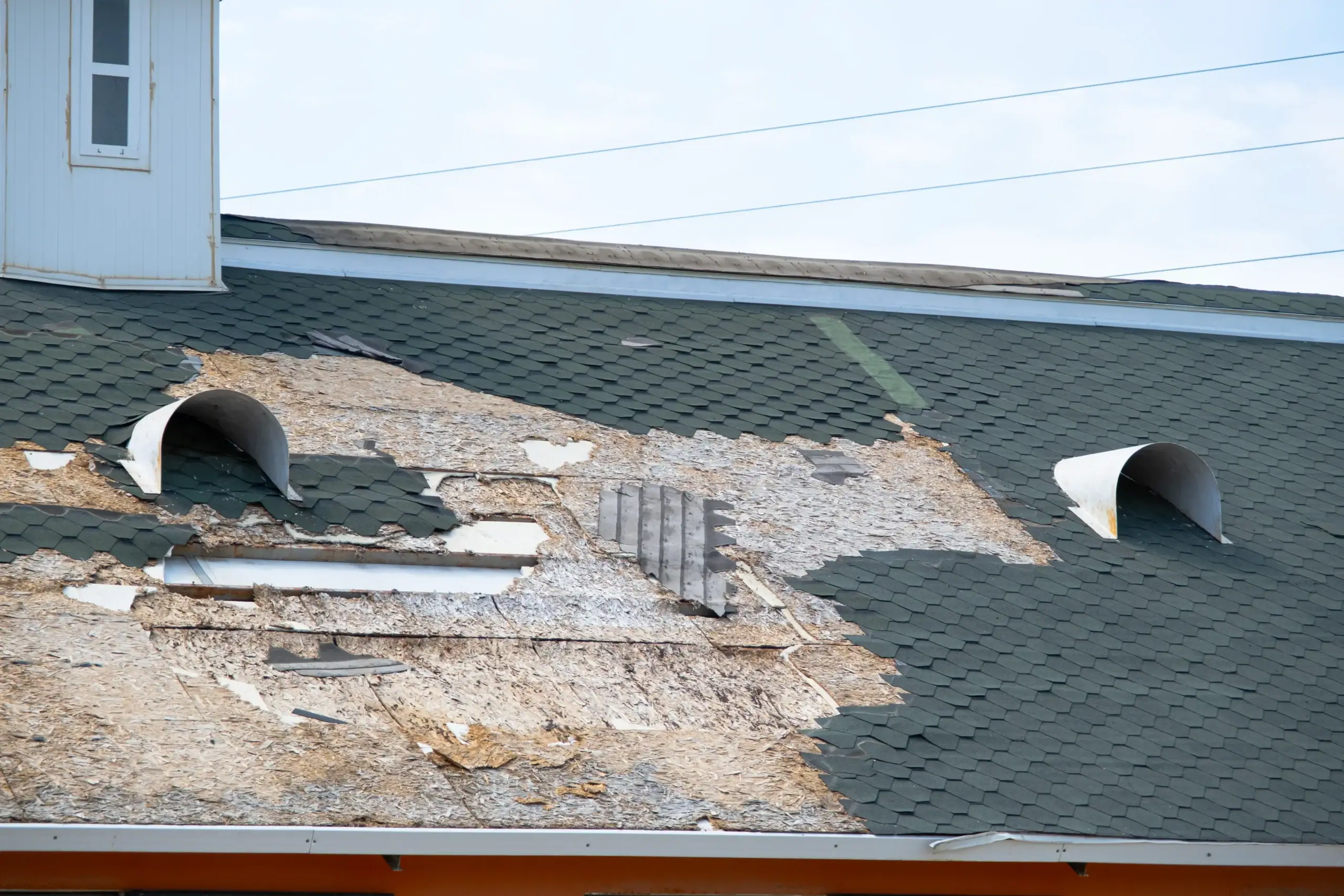
A few things can happen.
Your insurance company might continue your policy without making any changes.
They might request an inspection or documentation of the roof’s condition.
They could require repairs or replacement to continue coverage, subject to applicable insurance requirements.
Or they may change the coverage available for the roof.
And here’s something worth understanding.
Just because your current insurance company is willing to insure your 20-year-old roof doesn’t mean another company will.
This becomes important when you’re shopping your homeowners insurance.
Sometimes I can find a company with a substantially lower premium, but the roof doesn’t meet its underwriting guidelines.
That’s not really an option, regardless of how attractive the price looks.
Replacement Cost vs. Actual Cash Value: This Is a Big One
This is probably the most important coverage distinction in this article.
Let’s say a storm damages your roof.
The insurance company determines the covered damage requires replacement, and the cost is $20,000.
How much are they going to pay?
That depends on your policy.
Replacement Cost Coverage
Replacement cost coverage generally pays the covered cost to repair or replace damaged property with materials of similar kind and quality, without deducting depreciation.
Let’s say the roof replacement costs $20,000 and you have a $2,000 deductible.
Assuming the entire replacement is covered, the total insurance payment could be $18,000.
Depending on the policy, the company may initially pay the depreciated value and release the remaining recoverable depreciation once the work is completed and the required documentation is provided.
Actual Cash Value Coverage
Now let’s take the exact same roof.
Same storm.
Same $20,000 replacement cost.
Same $2,000 deductible.
But this policy covers the roof on an actual cash value basis.
The insurance company applies depreciation based on the roof’s age, condition, and other applicable factors.
For our example, let’s say that depreciation is $8,000.
Now the insurance payment is $10,000 after depreciation and the deductible.
| Hypothetical roof claim | Replacement cost | Actual cash value |
|---|---|---|
| Cost to replace roof | $20,000 | $20,000 |
| Depreciation | $0 | -$8,000 |
| Deductible | -$2,000 | -$2,000 |
| Total insurance payment | $18,000 | $10,000 |
| Your out-of-pocket cost | $2,000 | $10,000 |
That’s an $8,000 difference in the insurance payment.
Same house. Same roof. Same storm.
Very different financial outcomes.
These are hypothetical figures, and actual claims depend on the policy terms, covered damage, depreciation calculations, and settlement conditions.
And here’s the part I really want homeowners to understand.
You can have replacement cost coverage on your home while the roof itself is subject to actual cash value coverage or a separate roof payment schedule.
That’s why I don’t just look for the words “replacement cost” on a homeowners policy.
I want to know how the roof is actually covered.
Does Homeowners Insurance Pay for a New Roof Just Because It’s Old?
No.
Homeowners insurance isn’t a maintenance contract.
If your roof is 25 years old and the shingles are simply worn out, that doesn’t mean the insurance company is buying you a new roof.
Normal wear and tear, deterioration, and maintenance issues are generally excluded.
But let’s say that same older roof is damaged by a windstorm.
Now we may have a legitimate insurance claim.
The fact that the roof is old doesn’t automatically mean covered storm damage is excluded.
However, the age and condition of the roof can affect the claim, and the policy determines whether the company pays for repairs, replacement, or something else.
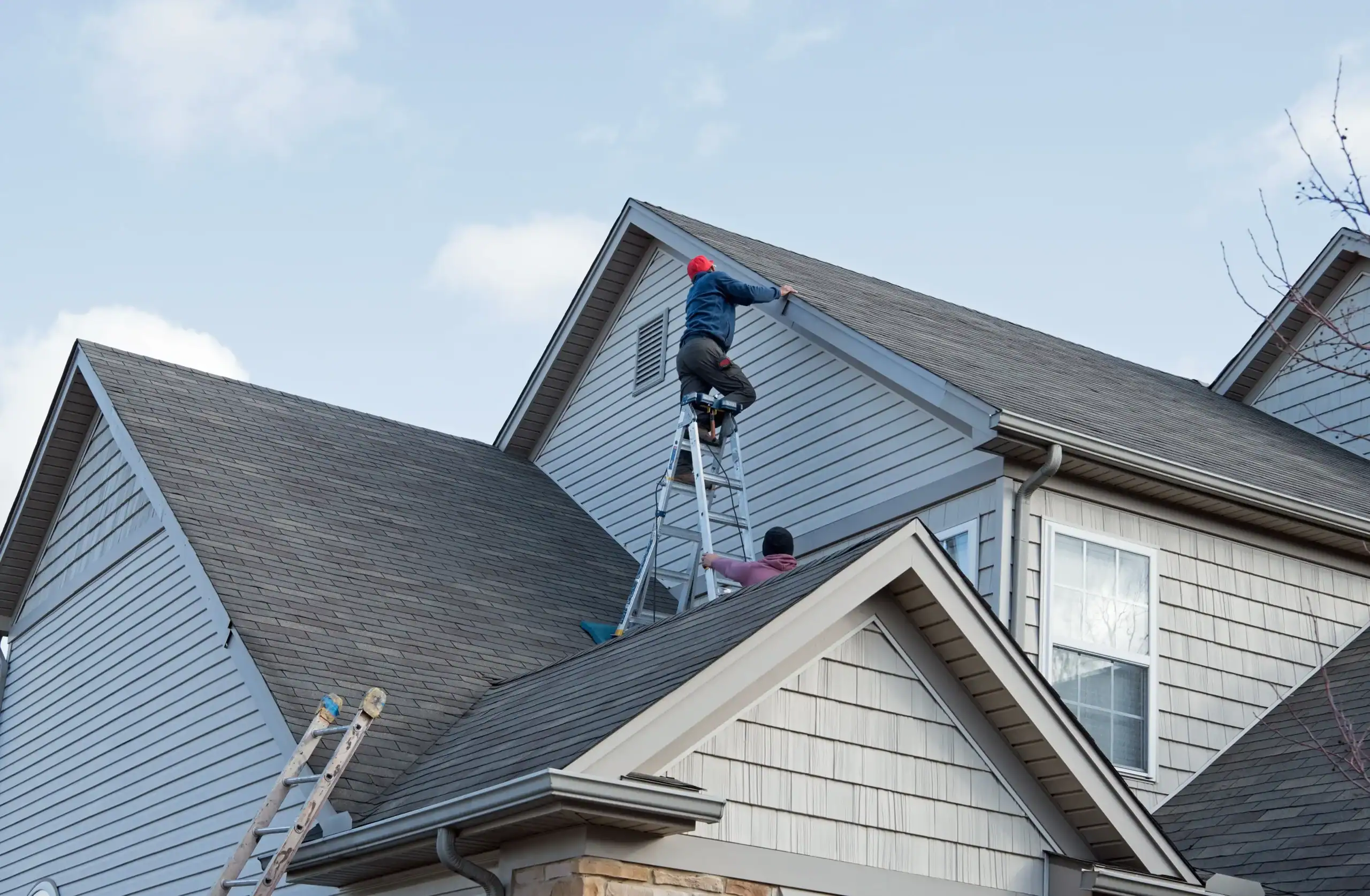
An old roof and a storm-damaged roof aren’t necessarily the same thing.
And sometimes both issues are present.
That’s when things can get complicated.
What Happens During an Insurance Inspection?
Many insurance companies inspect homes after issuing a new homeowners policy.
Sometimes it’s an exterior inspection.
Other times, the company may request photographs or additional information.
The roof is one of the things they’re looking at.
They may identify missing shingles, curling, deterioration, visible repairs, or other conditions that could increase the likelihood of a loss.
They may also look at trees overhanging the roof, gutters, siding, and the general condition of the property.
If the company finds something concerning, it may request repairs, additional documentation, or roof replacement.
Depending on the circumstances, it could also take underwriting action in accordance with applicable requirements.
This is why I prefer to address an older roof before we issue a policy.
I don’t want to tell someone we’ve found them a great homeowners rate, only to have the company come back after an inspection and require a new roof.
That’s not a great experience for anybody.
Buying a Home With an Older Roof
This is where things can get especially frustrating.
You’re buying a house.
You’ve negotiated the price.
You’ve had the home inspection.
You’ve arranged the mortgage.
You’re getting ready for settlement.
Then somebody asks how old the roof is.
Turns out it’s 23 years old.
Maybe the seller doesn’t know exactly when it was installed.
Maybe the home inspector says it has limited remaining life.
Now we’re trying to find an insurance company that will accept the property and satisfy the lender’s requirements before closing.
Not exactly the ideal time to discover your insurance options are limited.
If you’re buying a home with an older roof, start the insurance conversation early.
And if you’re negotiating the purchase, understanding the roof’s condition and approximate replacement cost can be useful information.
A roof doesn’t have to be leaking to create an insurance problem.
What If I Don’t Know How Old My Roof Is?
You’re certainly not alone.
If you purchased the home recently, the seller’s disclosure or home inspection report may provide some information.
You may also have a contractor invoice, warranty, or permit record.
A roofing contractor may be able to evaluate the condition and estimate the age, although that isn’t the same as having documentation of the installation date.
Sometimes an insurance company has access to property records or other information that helps with underwriting.
But I wouldn’t recommend guessing and presenting that guess as a fact.
If you’re not sure, tell us.
We’ll work with the information available and figure out what else the insurance company needs.
Will Replacing My Roof Lower My Homeowners Insurance?
It might.
Some insurance companies offer better pricing for newer roofs.
A new roof may also make you eligible for companies that wouldn’t consider your home previously.
But I wouldn’t promise someone that spending $15,000 or $20,000 on a new roof will automatically result in a big insurance discount.
Sometimes the biggest benefit isn’t the discount.
It’s having more insurance options.
And potentially better coverage.
If you replace your roof, let your insurance agent know.
Keep the contractor invoice and any warranty information.
We can update the roof details with your carrier and see whether it changes your premium or coverage options.
What About Metal, Slate, or Other Roofing Materials?
Not every roof ages the same way.
An asphalt shingle roof is different from a standing seam metal roof.
Slate, tile, and other materials have their own characteristics and expected lifespans.
Insurance companies may have different requirements for each.
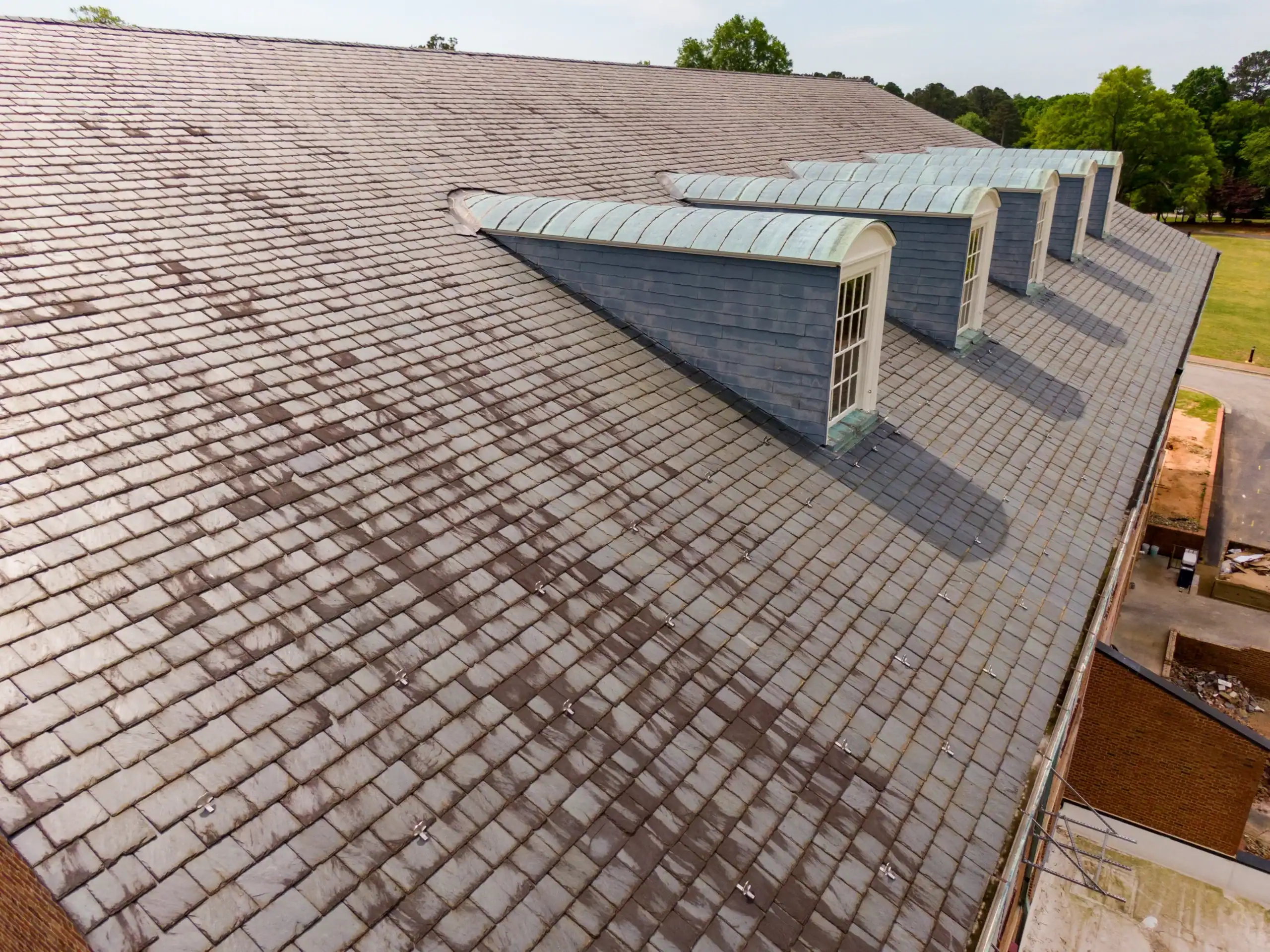
An older slate roof isn’t automatically equivalent to an older asphalt shingle roof.
That’s why I don’t like applying one blanket rule to every property.
I want to know the material, age, and condition.
Then we can look at the available insurance options.
Don’t Forget About Your Deductible
While we’re talking about roof coverage, I also want to mention deductibles.
Some homeowners policies have a standard deductible that applies to most covered losses.
Others may have a separate wind or hail deductible.
And sometimes that deductible is a percentage rather than a flat dollar amount.
For example, if your dwelling is insured for $500,000 and you have a 2% wind or hail deductible calculated on that amount, that’s a $10,000 deductible.
That’s very different from a $2,000 flat deductible.
It doesn’t necessarily make the policy bad.
But I want you to understand what you’re responsible for before there’s a claim.
What I Look at When Reviewing Your Homeowners Insurance
When I’m comparing homeowners policies, I don’t just look at the annual premium.
I want to know what we’re actually buying.
With the roof, I’m looking at its age, material, condition, and how the insurance company will settle a covered claim.
Is it replacement cost?
Actual cash value?
Is there a roof payment schedule?
Is there a separate wind or hail deductible?
Then I look at the rest of the homeowners coverage.
And of course, the premium.
Because I’ve said this before, and I’ll probably say it a thousand more times:
I look at premium and coverage together.
Let’s say one insurance company is $300 cheaper annually, but it only offers actual cash value coverage on the roof.
Another company costs a little more but offers replacement cost coverage.
Does that automatically make the more expensive policy better?
No.
We still have to look at everything else.
But that difference is something I want you to understand before making a decision.
Saving $300 a year is great.
Finding out after a claim that you need to come up with another $8,000 or $10,000 to replace your roof isn’t so great.
The Bottom Line
If your roof is getting older, don’t wait until there’s a problem to find out how it affects your homeowners insurance.
Know approximately how old it is.
Pay attention to its condition.
Understand whether you have replacement cost or actual cash value coverage.
And if you’re buying a home with an older roof, have the insurance conversation before you’re two days away from closing.
There isn’t one magic age when a roof suddenly becomes uninsurable.
But as roofs get older, your insurance options can become more limited.
I’d rather explain those options before you need to replace the roof, file a claim, or find a new insurance company.
Want Us to Review Your Homeowners Insurance?
At PolicyVisor Insurance Group, we’re an independent insurance agency helping homeowners throughout Pennsylvania, including Springfield, Delaware County, Chester County, Montgomery County, Bucks County, and the greater Philadelphia area.
If you’re not sure how your roof is covered, send us your current homeowners insurance declarations page.
We’ll review the policy, ask a few questions about the roof, and look at your options.
Sometimes we find better coverage.
Sometimes we find a better price.
Sometimes we find both.
And sometimes what you already have makes sense.
I’m fine with that too.
I just want you to understand what you’re paying for, and what to expect if you ever have a claim.
Disclaimer
This article is intended for general educational and informational purposes only and does not constitute individualized insurance, legal, financial, roofing, construction, or other professional advice.
Coverage descriptions and examples are general illustrations and may not apply to every homeowners insurance policy, endorsement, property, or claim. Roof age requirements, underwriting eligibility, inspection requirements, replacement cost coverage, actual cash value coverage, depreciation, deductibles, exclusions, and claim settlement provisions vary by insurance company, policy form, endorsement, and individual circumstances.
Coverage availability, limits, conditions, definitions, and eligibility requirements are determined solely by the specific policy issued. Nothing in this article binds, modifies, extends, confirms, or guarantees insurance coverage, claim payment, policy eligibility, premium savings, or acceptance of a property by an insurance company.
All claims are subject to investigation and determination by the insurance carrier under the applicable policy terms. Homeowners should review their individual policies and consult with a licensed insurance professional regarding their specific insurance needs