What Does Homeowners Insurance Not Cover? 10 Exclusions Pennsylvania Homeowners Should Know

Written by Bob Kelly, Agency Principal at PolicyVisor, with over 20 years of insurance experience
I’ve had plenty of conversations over the years where someone asks whether something is covered by their homeowners insurance, and the answer surprises them.
“Wait, that’s not covered?”
Sometimes they’re asking about water in the basement. Sometimes it’s an old roof. Sometimes something breaks, and they assume the insurance company will replace it.
And I understand why.
You pay thousands of dollars a year for homeowners insurance. It’s reasonable to expect it to protect your home.
And it does protect against a lot.
But homeowners insurance isn’t a warranty or a maintenance contract. It isn’t designed to pay for everything that can go wrong with a house.
There are exclusions, coverage limits, and situations where you need additional protection.
Here are ten things I think Pennsylvania homeowners should understand before there’s a problem.
1. Flooding
This is one of the biggest misunderstandings about homeowners insurance.
Standard homeowners insurance generally doesn’t cover flooding.
Let’s say we get several days of heavy rain, a creek overflows, and water enters your house.
That’s generally a flood insurance issue, not a homeowners insurance claim.
And you don’t necessarily need to live next to a river to experience flooding.
Flood insurance is typically purchased separately, either through the National Flood Insurance Program or a private insurance company.
One thing worth knowing: even flood insurance can have significant restrictions on basement coverage, particularly for finished improvements and personal belongings.
If you have a finished basement, don’t assume purchasing flood insurance means everything down there is protected.
2. Sewer or Drain Backup Without the Right Coverage
This is one I pay particular attention to.
When someone calls me and says, “Bob, I have water in my basement,” one of the first things I check is whether they have backup of sewer and drain coverage.
It isn’t always the coverage that applies, but quite often it is.
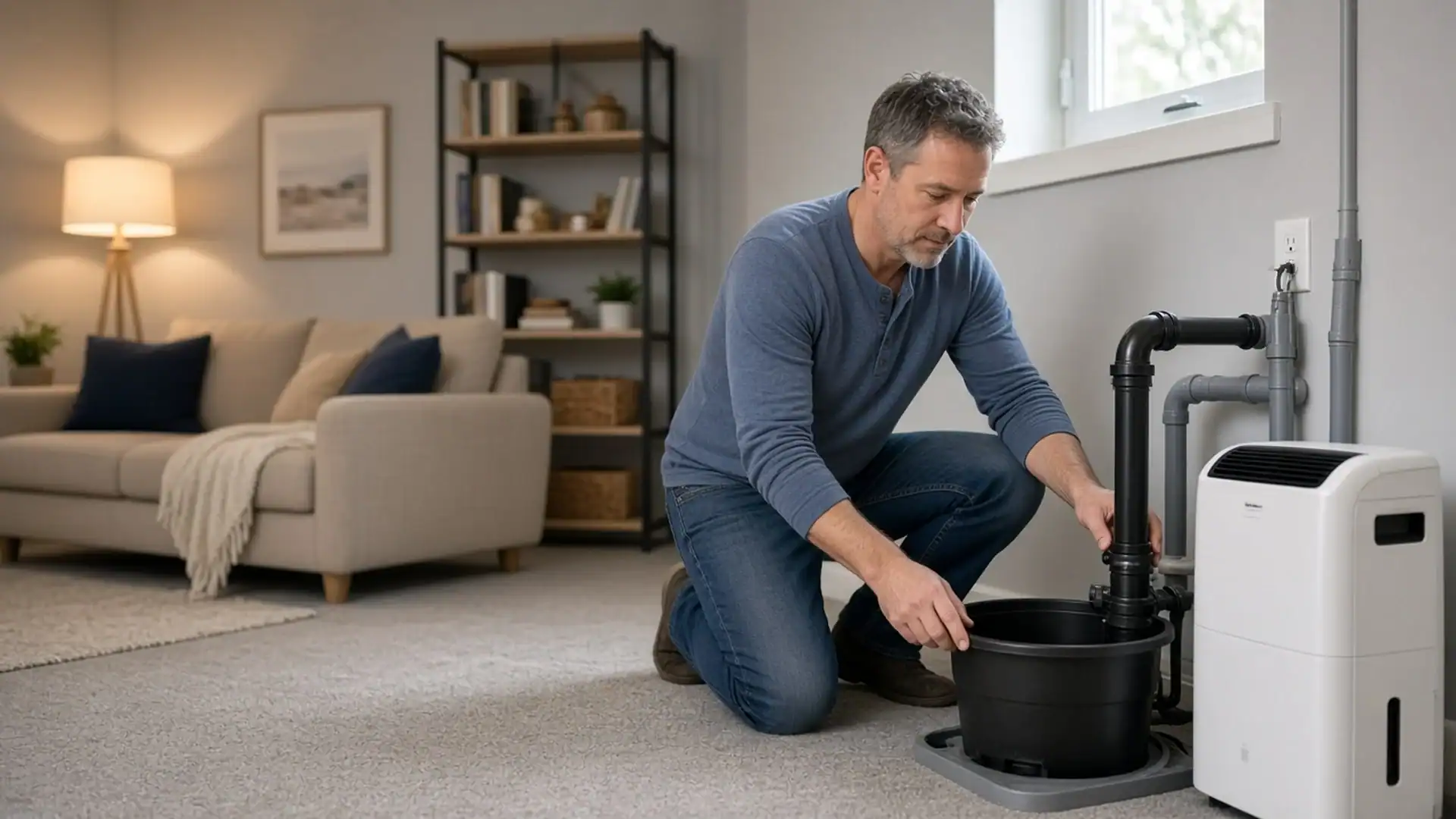
Let’s say sewage backs up through a basement drain, or your sump pump overflows and damages the basement.
Standard homeowners insurance generally excludes this type of water damage unless the appropriate endorsement has been added.
And even if you have the endorsement, the limit matters.
You could have $500,000 in dwelling coverage but only $5,000 or $10,000 in backup of sewer and drain coverage.
If you’ve got a finished basement with flooring, drywall, furniture, and electronics, that limit may not go very far.
That’s why I ask whether the basement is finished, what’s stored down there, and whether there’s an active sump pump.
I don’t automatically recommend the highest available limit to everybody. I want the coverage to make sense for the home and the premium.
3. Wear and Tear and General Maintenance
Homeowners insurance isn’t designed to replace things simply because they’ve gotten old.
If your roof is 25 years old and the shingles are deteriorating, the insurance company generally isn’t going to buy you a new roof because it’s time.
The same goes for aging plumbing, rotting wood, and other maintenance issues.
But there’s an important distinction.
Let’s say a windstorm damages that older roof.
Now we may have a covered claim.
The fact that the roof is old doesn’t automatically mean storm damage is excluded.
The insurance company will look at the cause of damage, the condition of the roof, and the policy terms.
Something wearing out and something being damaged by a covered event are two different things.
4. Long-Term Leaks and Groundwater Seepage
Let’s say a pipe suddenly breaks and damages your kitchen floor.
Depending on the circumstances, that may be a covered water loss.
Now let’s say a pipe has been slowly leaking behind a wall for months.
That’s a different situation.
Homeowners policies commonly exclude damage from continuous or repeated leakage or seepage, although the wording and time requirements vary by carrier.
Water entering through foundation walls or basement floors is another common issue that standard homeowners insurance generally doesn’t cover.
This is why I spend time asking where the water came from.
Not all water damage is treated the same way.
5. Mold, Rot, and Fungus
Mold is another area where homeowners can be surprised.
Let’s say you discover mold growing behind a basement wall.
You might assume homeowners insurance will pay to remove it and repair everything.
Not necessarily.
Many policies exclude or significantly limit coverage for mold, fungus, wet rot, and related damage.
Some policies provide limited coverage when the mold results from a covered loss and certain conditions are met.
But mold developing from ongoing moisture or long-term seepage generally isn’t something homeowners insurance is designed to cover.
If you have a recurring moisture problem, the best approach is to address the cause before it becomes something more expensive.
6. Earth Movement and Mine Subsidence
Most standard homeowners policies exclude certain types of earth movement.
That can include earthquakes, landslides, and ground movement.
Here in Pennsylvania, there’s another issue worth mentioning: mine subsidence.
Some areas of the state have a history of underground mining. Ground movement associated with abandoned mines can damage buildings.
Separate mine subsidence insurance may be available for eligible properties.
Earthquake coverage may also be available through an endorsement or separate policy.
I’m not suggesting every homeowner needs these coverages.
But if your property has a particular exposure, it’s worth understanding what options are available.
7. Underground Sewer and Water Line Repairs
Let’s say the sewer line running from your house to the street collapses.
Now you need someone to dig up the yard, repair the line, and restore the property.
That can become expensive pretty quickly.
Homeowners often assume it’s covered because the pipe serves their house.
But standard homeowners insurance may not pay to repair or replace an underground service line that fails because of deterioration or other excluded causes.
This is where service line coverage may help.
Depending on the endorsement, it can cover certain failures of underground water, sewer, electrical, or other utility lines.
And there’s an important distinction.
Service line coverage and backup of sewer and drain coverage aren’t the same thing.
One may cover the cost of repairing a damaged underground line.
The other may cover resulting damage when water or sewage backs into the house.
You can need both.
8. Termites, Rodents, and Other Pest Damage
Here’s another one that surprises homeowners.
Let’s say termites have been damaging the framing of your house for years.
Or mice have chewed through insulation and wiring.
Standard homeowners insurance generally excludes damage caused by insects, rodents, and other pests.
Insurance companies typically view these as maintenance or prevention issues.
That’s why inspections and addressing pest problems early are important.
9. Jewelry and Other Valuable Belongings
This one is a little different.
Jewelry and other valuable items aren’t necessarily excluded from homeowners insurance.
But there may be special limits on what the insurance company will pay, especially for theft.
Let’s say you own a valuable engagement ring, expensive watches, collectibles, or other high-value belongings.
Your personal property coverage might be $200,000.
That doesn’t mean every individual item is automatically covered up to its full value.
Depending on the property, there may be special limits, exclusions, or restrictions on the types of losses covered.
Scheduled personal property coverage or a separate policy may be appropriate.
If you’ve got something particularly valuable, tell your insurance agent.
We can look at how it’s covered.

10. Business Activities and Business Property
More people work from home than ever before.
And plenty of homeowners operate small businesses out of their houses.
Maybe you run a consulting business from a home office.
Maybe you’re selling products online.
Maybe customers visit your property.
Your homeowners policy isn’t automatically designed to cover all of those business exposures.
There may be limits on business property, and liability arising from business activities is often excluded or restricted.
Some home-based businesses can be addressed through endorsements.
Others need separate business insurance.
The right answer depends on what you’re doing.
But I wouldn’t assume that because the business operates out of your house, your homeowners policy covers it.
Does That Mean Homeowners Insurance Isn’t Worth It?
Absolutely not.
Homeowners insurance provides important protection against potentially devastating losses.
Fire, certain storm damage, theft, liability claims, and many other covered events can create expenses that most families would struggle to handle on their own.
The problem isn’t that homeowners insurance has exclusions.
Every insurance policy has exclusions.
The problem is when someone doesn’t understand them until after something happens.
And that’s what I try to avoid.
Can You Buy Coverage for These Exclusions?
Sometimes.
Flood insurance, backup of sewer and drain, service line coverage, earthquake coverage, mine subsidence insurance, and scheduled personal property coverage are examples of protection that may be available separately or through endorsements.
But not every exclusion can be insured away.
Normal wear and tear, neglected maintenance, and many long-term deterioration issues are generally responsibilities that come with owning a home.
And even when additional coverage is available, there may be deductibles, limits, waiting periods, and other restrictions.
That’s why I don’t believe in simply adding every endorsement to every policy.
I want to know what exposures you actually have.
If you have a finished basement with an active sump pump, backup of sewer and drain coverage deserves a serious look.
If you have expensive jewelry, we should discuss that.
If you run a business from home, I want to understand what kind of business it is.
The goal is to make informed decisions.
What I Look at When Reviewing Homeowners Insurance
When someone sends me their homeowners policy, I’m not just looking at the annual premium.
I’m looking at dwelling coverage, deductibles, personal property, liability, and endorsements.
I’m also looking for important coverage gaps.
- Does the home have a finished basement?
- Is there a sump pump?
- How old is the roof?
- Are there expensive belongings that need additional coverage?
- Is there a business operating out of the house?
Then we can talk about the premium.
Because as I’ve said before, I look at premium and coverage together.
Let’s say I can save someone $250 a year by removing backup of sewer and drain coverage.
That’s not automatically a good deal.
On the other hand, if I can find a company offering better protection at a lower premium, that’s great.
Sometimes we find better coverage.
Sometimes we find a better price.
Sometimes both.
And sometimes the policy you already have makes sense.
I’m fine with that too.
I just want you to understand what you’re buying.
The Bottom Line
Homeowners insurance covers a lot, but it doesn’t cover everything.
Flooding, water backup, wear and tear, long-term leaks, pest damage, and certain business exposures are just a few areas where homeowners can run into surprises.
And the details matter.
Two policies with similar premiums and dwelling limits can provide very different protection.
You don’t need to become an insurance expert.
But you should have a basic understanding of what’s covered, what isn’t, and where additional coverage might make sense.
That’s part of what your insurance agent should be helping you with.
Want Us to Review Your Homeowners Insurance?
At PolicyVisor Insurance Group, we’re an independent insurance agency helping homeowners throughout Pennsylvania, including Springfield, Delaware County, Chester County, Montgomery County, Bucks County, and the greater Philadelphia area.
If you’re not sure what your homeowners policy covers, send us your current declarations page.
We’ll take a look at your coverage, ask a few questions about the home, and see whether there are any gaps worth discussing.
We can also compare options with the insurance companies we represent.
Sometimes we’ll find an opportunity to improve coverage or save money.
And sometimes we’ll tell you that what you already have looks pretty good.
Either way, I want you to understand what you’re paying for.
That’s what we’re here for.
Disclaimer
This article is intended for general informational and educational purposes only and does not constitute individualized insurance, legal, financial, property maintenance, construction, or other professional advice.
Coverage descriptions and examples are general illustrations and may not apply to every homeowners insurance policy, endorsement, property, or claim. Coverage for flooding, water backup, sewer and drain damage, service lines, wear and tear, mold, earth movement, mine subsidence, pest damage, personal property, business activities, and other losses varies by insurance company, policy form, endorsement, cause of loss, and individual circumstances.
Coverage availability, limits, deductibles, exclusions, definitions, conditions, eligibility requirements, and claim settlement provisions are determined solely by the specific policy issued.
Nothing in this article binds, modifies, extends, confirms, or guarantees insurance coverage, claim payment, policy eligibility, or premium savings.
All claims are subject to investigation and determination by the insurance carrier under the applicable policy terms. Homeowners should review their individual policies and consult with a licensed insurance professional regarding their specific insurance needs.