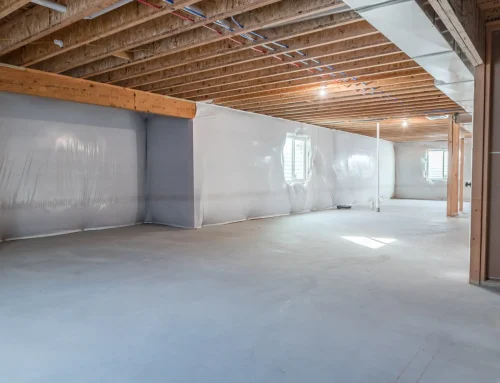
Does Homeowners Insurance Cover Sewer Backup or Sump Pump Failure in Pennsylvania?
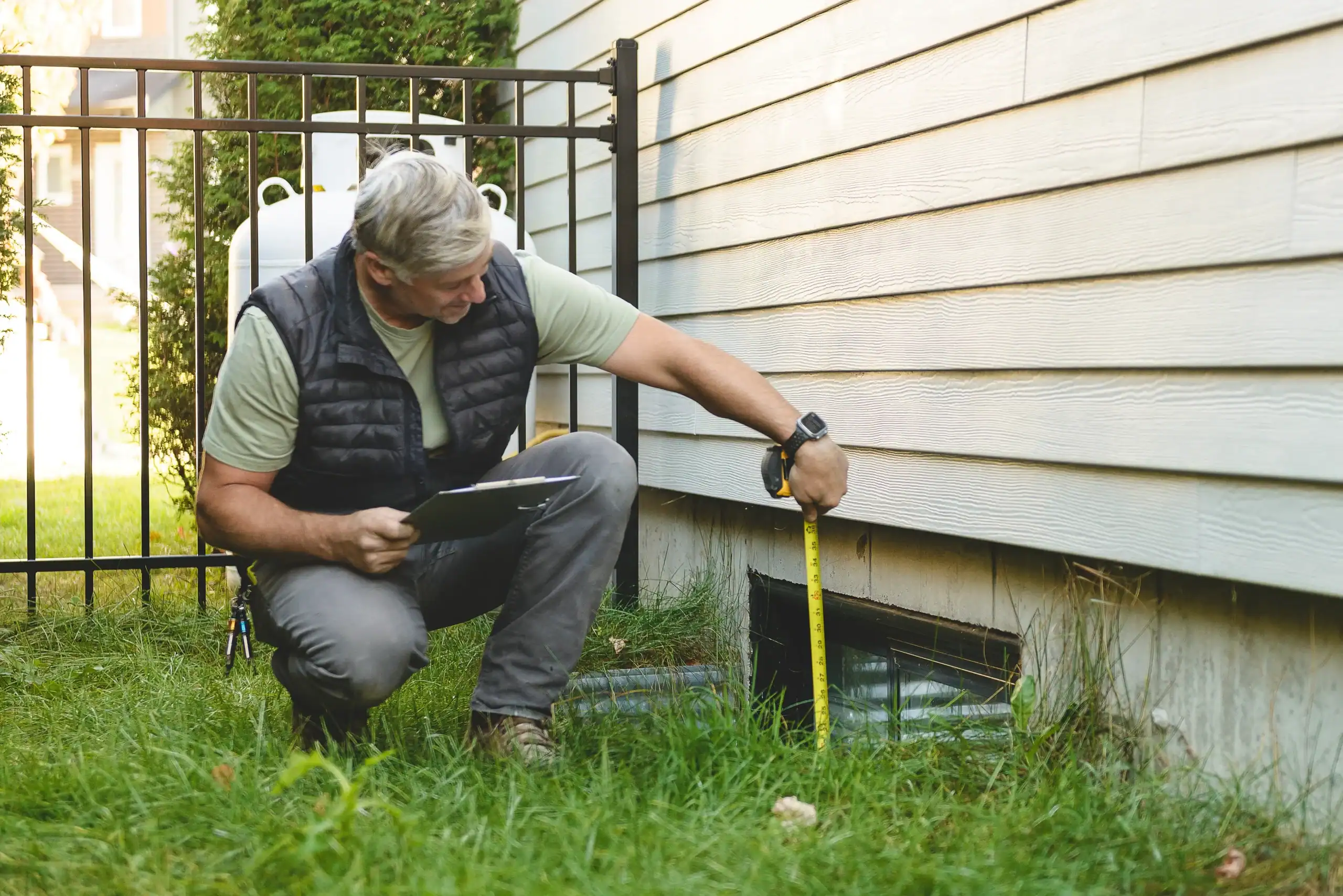
Written by Bob Kelly, Agency Principal at PolicyVisor, with over 20 years of insurance experience
One of the calls I hate getting is:
“Bob, I have water in my basement.”
The first thing I check is whether they have backup of sewer and drain coverage.
That isn’t always the coverage that ends up applying.
But quite often, it is.
Then I want to know what happened.
Did a sewer or drain back up?
Did the sump pump fail?
Did a pipe burst?
Did water come through the foundation?
Was it actual flooding?
All of those situations can leave you standing in a wet basement, but they can have very different outcomes when it comes to homeowners insurance.
That’s why backup of sewer and drain is one of the coverages I pay a lot of attention to.
Especially if you have a finished basement.
What Is Backup of Sewer and Drain Coverage?
Backup of sewer and drain coverage is generally an endorsement added to a homeowners policy.
Depending on the policy, it can provide coverage for certain damage caused by water or sewage backing up through a sewer or drain, or certain water that overflows or discharges from a sump system.
Let’s say your sewer backs up through a basement floor drain.
Now you’ve got contaminated water throughout the basement.
The flooring is damaged.
Drywall needs to come out.
Furniture is ruined.
Maybe you’ve got a television, kids’ toys or other belongings down there too.
If you have the appropriate backup of sewer and drain endorsement, the resulting damage may be covered, subject to the policy’s terms, limits and deductible.
Without that coverage, you may be paying for the loss yourself.
And that can get expensive pretty quickly.
What I Pay Attention to With a Basement
When I’m reviewing this coverage, there are a few things I want to know.
First:
Is the basement finished?
A finished basement changes the conversation.
If you’ve got drywall, flooring, furniture, a television, a bar, a home office or a playroom, there is a lot more that can be damaged.
Then I want to know:
What do you keep down there?
Even an unfinished basement can have plenty of exposure.
A washer and dryer.
Furnace.
Water heater.
Tools.
Storage.
Furniture.
Boxes of things you’ve been keeping for the last 20 years.
And then I want to know about the sump pump.
Do you have one?
Is it active?
Does it run regularly?
Is there a backup?
And probably more importantly:
Does the backup actually work?
I learned that one the hard way.
My Sump Pump Education Started as a Teenager
When I was a teenager, my parents lost power during a storm.
The sump pump stopped working.
And the backup wasn’t working either.
So I found myself in their basement with a pitcher.
I would scoop water out of the sump pit into a bucket.
Carry the bucket upstairs.
Dump it into a toilet.
Go back downstairs.
And do it again.
And again.
Basically all night.
That’s also when you find out who your friends really are.
Start calling around looking for somebody willing to take the night shift scooping water out of a sump pit.
Suddenly everybody is busy.
At the time, it was miserable.
Looking back, it gave me a pretty good appreciation for what a sump pump is actually doing when it’s working correctly.
And it taught me something I still think is important:
Having a sump pump is great. Knowing what happens when the power goes out is better.
If you have an active sump pump, I like seeing a working backup.
A water alarm can also be useful.
But from an insurance standpoint, I also want to know what kind of backup of sewer and drain coverage you have.
I’d much rather have that conversation while the basement is dry.

What If the Sump Pump Stops Working?
This is a pretty common scenario.
We get a heavy Pennsylvania rainstorm.
The sump pump is running constantly.
Then the power goes out.
Or the pump fails.
Or it simply can’t keep up.
Water comes out of the sump pit and damages the basement.
Depending on the endorsement and what actually happened, the resulting damage may be covered.
But here’s an important distinction:
The insurance company covering the resulting water damage doesn’t necessarily mean they’re buying you a new sump pump.
The failed equipment and the resulting damage are not necessarily the same coverage issue.
And not every insurance company handles these situations exactly the same way.
That’s why I want to see the actual endorsement.
Not All Water in the Basement Is the Same
This is probably the biggest thing I want homeowners to understand.
You can call me four different times and say:
“Bob, I have water in my basement.”
And I could be looking at four completely different insurance situations.
A Pipe Bursts
A pipe suddenly breaks inside the house and water damages your flooring, drywall or cabinets.
Depending on the circumstances, that may be covered under the regular homeowners policy.
A Sewer or Drain Backs Up
Water or sewage backs up through a basement drain.
This is the type of situation backup of sewer and drain coverage is generally designed to address.
The Sump Pump Overflows
The sump pump fails, loses power or can’t keep up and water comes out of the sump.
Depending on the endorsement and circumstances, backup of sewer and drain coverage may respond.
Water Comes Through the Foundation
Heavy rain saturates the ground and water seeps through the basement walls or floor.
That is a different situation.
A backup of sewer and drain endorsement generally isn’t intended to cover groundwater or seepage through the foundation.
Rising Water Enters the Home
That’s another category.
Flooding caused by rising surface water is generally a flood insurance issue rather than something covered by a standard homeowners policy.
Same end result:
Water in the basement.
But very different causes.
And insurance is going to care about the cause.
Is Backup of Sewer and Drain the Same as Flood Insurance?
No.
This gets confused all the time.
Flood insurance and backup of sewer and drain coverage are two different things.
Flood insurance generally addresses qualifying flooding involving rising surface water.
Backup of sewer and drain coverage is generally designed for certain sewer, drain and sump-related losses.
Having one does not mean you have the other.
That’s why when someone tells me they had water damage, I don’t want to guess.
First I check the policy.
Then we figure out where the water came from.
How Much Backup of Sewer and Drain Coverage Is Enough?
This is where I think people can get themselves into trouble.
I’ve seen policies with $5,000 or $10,000 of backup of sewer and drain coverage.
That sounds like a decent amount of money.
Until you actually have the claim.
Let’s say you have a finished basement.
You’ve got:
- Drywall
- Flooring
- Furniture
- A television
- A bar
- Cabinets
- Kids’ toys
- A home office
Now you get several inches of contaminated water.
You may need professional water mitigation.
The flooring may have to come out.
Drywall may need to be cut out.
Furniture may be ruined.
Personal property may be damaged.
How far is $10,000 really going to go?
Probably not very far.
Depending on the carrier, higher limits may be available.
Maybe $25,000.
Maybe $50,000.
Maybe more.
I’m not saying everyone needs the highest possible limit.
But if you’ve spent a significant amount of money finishing the basement, I absolutely want to talk about how much coverage you have.
What If My Basement Isn’t Finished?
That changes the exposure.
It doesn’t eliminate it.
Maybe you have concrete floors and exposed walls.
Fine.
But what else is down there?
Washer.
Dryer.
Furnace.
Water heater.
Tools.
Storage.
Furniture.
Boxes of belongings.
And even if there isn’t much property to replace, sewage cleanup itself can be expensive.
So I wouldn’t automatically remove this coverage just because the basement is unfinished.
I want to look at the actual risk and what the coverage costs.
What About My Personal Property?
This is another thing homeowners sometimes misunderstand.
Let’s say your homeowners policy has $250,000 of personal property coverage.
That does not necessarily mean you have $250,000 available if your sewer backs up.
If your backup of sewer and drain endorsement has a $10,000 limit, that limit may apply to the qualifying loss, including both damage to the home and damage to belongings, depending on the policy.
So now you’ve got flooring, drywall, a couch and a television all competing for that same amount of coverage.
That’s why I pay attention to the endorsement limit.
Not just whether the endorsement exists.
Backup of Sewer and Drain vs. Service Line
These are different coverages.
Let’s say the underground sewer line between your house and the street collapses.
Someone has to dig up your yard and replace the damaged pipe.
That may be a service line issue.
Now let’s say sewage backs up through the basement floor drain and destroys your finished basement.
That may be a backup of sewer and drain issue.
They solve different problems.
One may help with certain damage to the underground line.
The other may help with certain resulting damage inside the home.
I like looking at both, particularly on older homes.
Around Springfield, Media, Havertown and the rest of Delaware County, we have plenty of older properties where service line coverage can be worth discussing too.
How Much Does Backup of Sewer and Drain Coverage Cost?
It depends on the insurance company, the property and the amount of coverage.
But this is where I go back to something I say all the time:
I look at premium and coverage together.
Let’s say one homeowners policy costs $1,600 per year and gives you $5,000 of backup coverage.
Another costs $1,750 and gives you $25,000.
Is the $1,750 policy automatically better?
No.
I still have to compare the rest of the policy.
But if you’ve got a heavily finished basement, that additional $150 might be buying a meaningful amount of protection.
If everything else is comparable, that’s something I’m going to consider.
I like saving money.
Everyone does.
But cheaper isn’t better if the only reason it’s cheaper is because we’re removing coverage you actually need.

Don’t Forget About the Deductible
The deductible matters too.
Depending on the carrier and endorsement, the regular homeowners deductible may apply or there may be a separate deductible.
So I don’t just want to know:
“Do we have water backup coverage?”
I want to know:
How much?
And:
What deductible applies?
That’s the actual conversation.
I don’t want the first time you learn those numbers to be while we’re discussing a claim.
What Can You Do to Reduce the Risk?
You can’t prevent everything.
But there are some basic things worth thinking about.
If you have a sump pump, test it.
If you have a battery backup, test that too.
A backup that doesn’t work isn’t much of a backup.
A water alarm can alert you before a small problem becomes a big one.
If you’ve had recurring sewer or drainage problems, have someone qualified look at them.
Depending on your plumbing system and property, a plumber may also recommend things like a backwater valve.
Insurance is there for covered unexpected losses.
It isn’t a substitute for dealing with an ongoing problem.
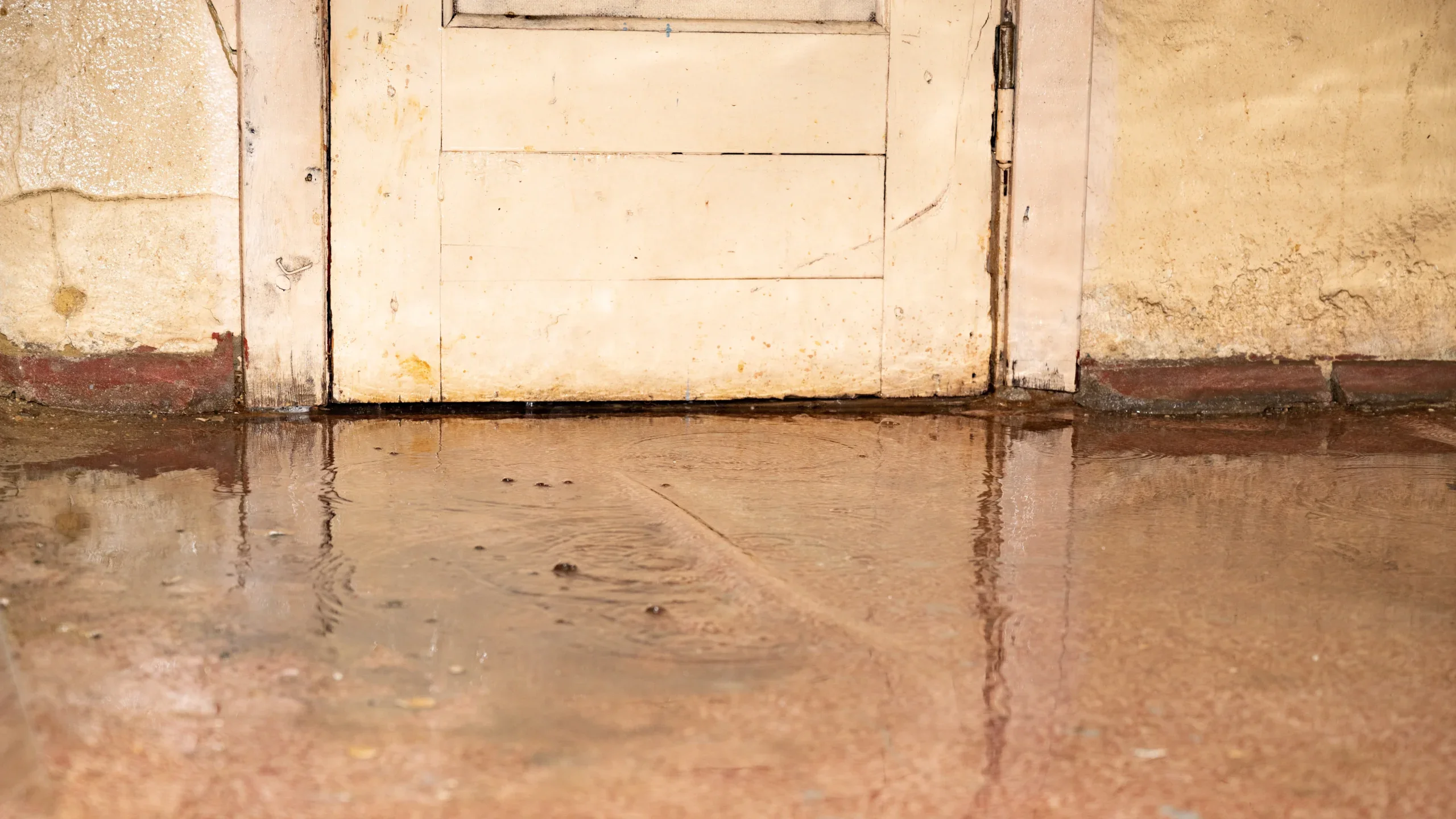
What Should You Do If You Have Water in the Basement?
First, make sure it’s safe.
If there is standing water around electrical equipment or outlets, don’t walk into it.
If you believe the water contains sewage, avoid contact with it.
Once it’s safe, document what happened.
Take pictures.
Try to identify where the water came from.
Contact whoever is needed to stop the source of the water.
Then call your insurance agent or carrier.
Keep receipts for emergency cleanup or mitigation.
And document damaged belongings before throwing them away unless something needs to be removed immediately for safety.
From my side, when I get the call:
“Bob, I have water in my basement.”
the first thing I check is backup of sewer and drain coverage.
It isn’t always the coverage that applies.
But quite often, it is.
Then we figure out what actually happened and what the policy says.
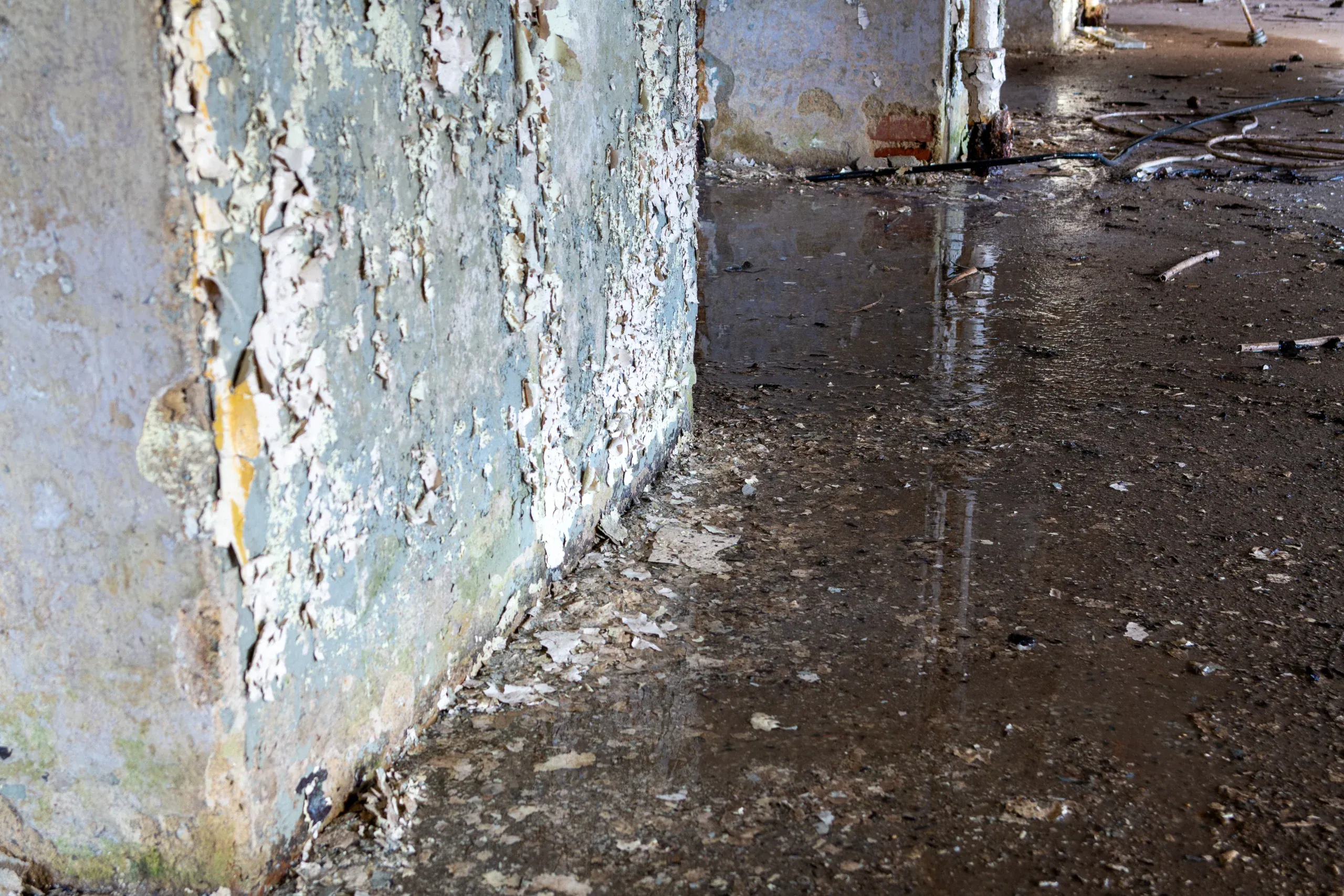
What I Look at at PolicyVisor
If I’m reviewing a homeowners policy and the house has a basement, backup of sewer and drain is one of the endorsements I look for.
If the basement is finished, I pay even more attention.
I want to know:
- Is the basement finished?
- What’s kept down there?
- Is there a sump pump?
- Is it active?
- Does it have a working backup?
- Is backup of sewer and drain coverage included?
- What is the limit?
- What deductible applies?
Then I look at the rest of the homeowners policy.
Dwelling coverage.
Replacement cost.
Personal property.
Liability.
Service line.
Equipment breakdown.
Roof coverage.
Deductibles.
And then we look at premium.
Because my goal isn’t necessarily to find the cheapest homeowners policy.
I want the best combination of coverage and price.
Sometimes that’s cheaper.
Sometimes paying a little more gets you substantially better coverage.
And sometimes the policy you already have is perfectly good.
I’m fine with that too.
The Bottom Line
If you have a basement, I think backup of sewer and drain coverage is something you should understand.
If you have a finished basement, I think the amount of coverage deserves even more attention.
And if you have an active sump pump, make sure you understand what happens if that pump stops working.
Because sometimes the power goes out.
Sometimes the backup doesn’t work.
And sometimes you’re a teenager standing in your parents’ basement in the middle of the night with a pitcher and bucket, trying to figure out which one of your friends likes you enough to take the next shift.
I’d rather have a working sump backup.
And I’d rather have the right insurance coverage.
When I get the call:
“Bob, I have water in my basement.”
the first thing I check is backup of sewer and drain.
It isn’t always the coverage that applies.
But quite often, it is.
I’d much rather talk about it while the basement is dry.
Want Us to Review Your Homeowners Insurance?
PolicyVisor is an independent insurance agency serving homeowners throughout Pennsylvania, including Springfield, Delaware County and the greater Philadelphia area.
If you’re not sure whether your homeowners policy includes backup of sewer and drain coverage, send us your current declarations page.
We’ll look at what you have.
We’ll look at the limit.
We’ll look at the deductible.
And we’ll talk about what’s actually in your basement.
Then we’ll review the rest of the policy and the premium.
Sometimes we find better coverage.
Sometimes we find a better price.
Sometimes we find both.
And sometimes I tell you what you already have makes sense.
I’m fine with that too.
I just don’t want the first time we talk about backup of sewer and drain coverage to be while you’re standing in a wet basement.
Disclaimer
This article is for general informational and educational purposes only and is not intended as individualized insurance, legal, financial, construction, plumbing, flood, or other professional advice. Coverage descriptions and claim examples are general illustrations and may not apply to every homeowners policy, endorsement, property, or claim.
Coverage for sewer or drain backups, sump pump failures or overflows, water damage, flooding, service lines, personal property, mitigation expenses, and related losses varies by insurance company, policy form, endorsement, cause of loss, and individual circumstances. Coverage availability, limits, deductibles, exclusions, definitions, conditions, eligibility requirements, and claim settlement provisions are determined solely by the specific policy issued.
Nothing in this article binds, modifies, extends, confirms, or guarantees insurance coverage, claim payment, policy eligibility, or premium savings. All claims are subject to investigation and determination by the insurance carrier under the applicable policy terms. Please review your individual policy and speak with a licensed insurance professional regarding your specific insurance needs.