PolicyVisor Insurance Group
Rental Property Insurance in Pennsylvania
Experience easy access to affordable, high-quality Rental Property Insurance at PolicyVisor Insurance Group. Servicing Pennsylvania, New Jersey, Virginia & Delaware
Reach out for a Rental Property Insurance quote!
PolicyVisor Insurance Group | Insurance in Pennsylvania
What is This Specialty Coverage & Who May Need It?
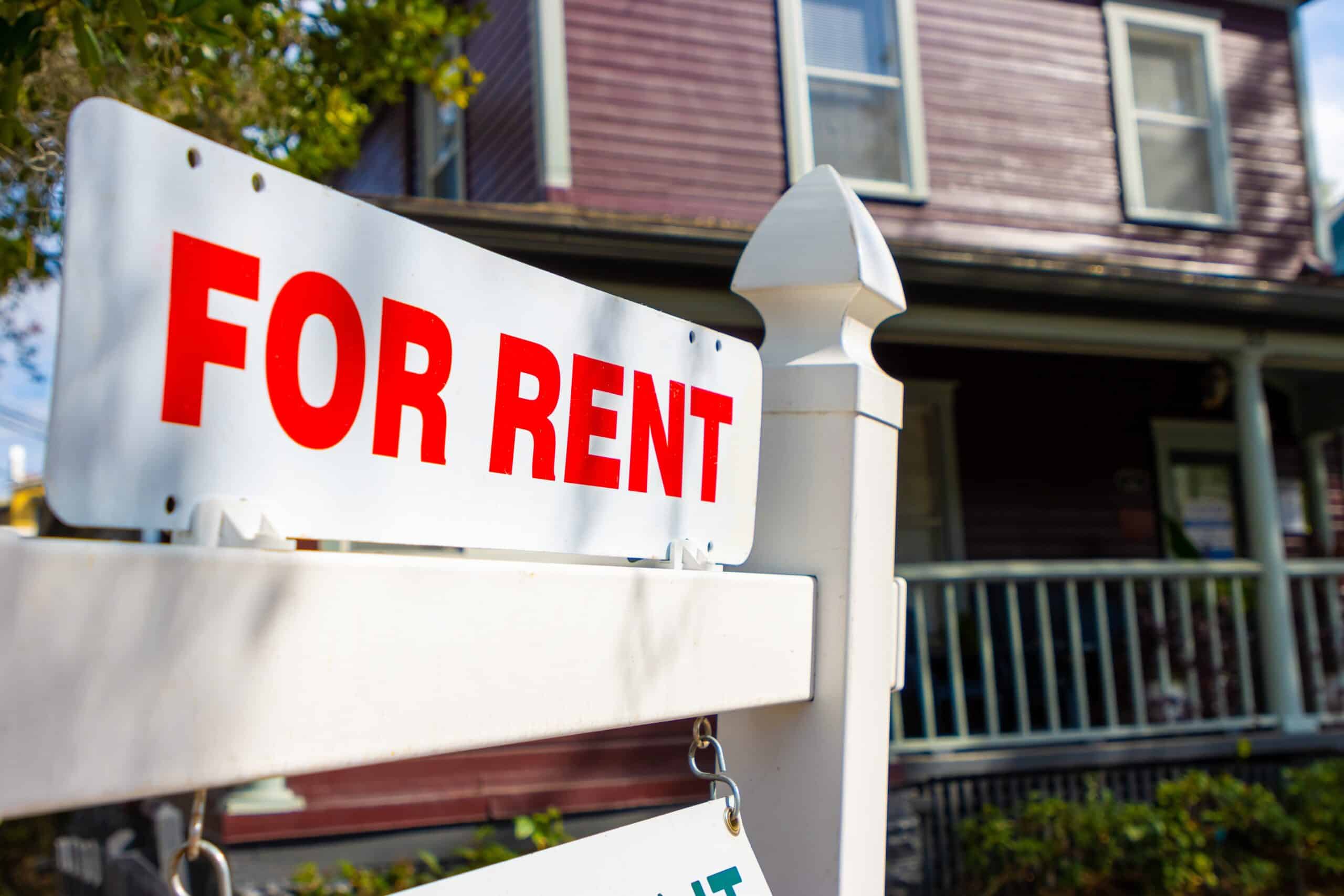
Owning residential real estate is an excellent way to build long-term wealth, but managing these physical assets comes with distinct risks. If you lease a home, condo, or multi-family unit to tenants, standard homeowners policies will not protect you. Instead, you need specialized coverage designed for non-owner-occupied homes.
This specialized protection is known as Rental Property Insurance. It safeguards your physical building from perils like fire, wind, and lightning, while also offering liability protection if someone gets hurt on your property. Many real estate investors also refer to this coverage as Landlord Insurance. This policy is essential for anyone who rents out residential properties to others, whether you own a single-family home in Philadelphia or a multi-unit apartment building in Pittsburgh. It covers the physical structure itself, any landlord-owned personal property left on-site for tenant use, and lost rental income if a covered disaster renders the home uninhabitable.
If you have a mortgage on your investment property, your lender will almost certainly require you to maintain this coverage. Even if you own the property outright, going without protection exposes your personal assets to immense risk. A single slip-and-fall lawsuit or a major fire could easily wipe out years of rental profits. By securing a policy tailored for rental units in Pennsylvania, you protect your physical assets and secure your cash flow against unexpected disasters. By working with a knowledgeable agent, you can customize your policy to include specific endorsements that cover unique risks associated with your municipality, ensuring that you never have to pay out of pocket for major structural repairs.
What Does the Real-World Data Show for Rental Owners?
To understand how these policies function in the real world, we can look at the active claims and coverage trends across Pennsylvania. Thousands of property owners rely on Rental Property Insurance to protect their multi-family homes, single-family rentals, and townhouses.
Property damage from severe weather, freezing pipes, and tenant negligence makes up the bulk of claims filed each year. Below is a breakdown of typical claims activity and policy distribution for the current year. This data highlights how owners of rental units utilize Landlord Insurance to handle common property issues.
| Property Type Covered | Estimated Active Policies | Most Common Claim Filed | Average Claim Payout |
|---|---|---|---|
| Single-Family Homes | 145,000 | Wind and Hail Damage | $9,500 |
| Duplexes & Triplexes | 68,000 | Water Damage (Burst Pipes) | $14,200 |
| Multi-Family Apartments | 42,000 | Tenant Liability & Fire | $28,500 |
| Condominium Rentals | 29,000 | Sewer Backup & Water Damage | $7,800 |
As the data demonstrates, water damage and severe weather represent the most frequent reasons property owners file claims. Without proper coverage, landlords would have to pay these multi-thousand-dollar repair bills out of their own pockets. Securing a reliable policy ensures that a sudden pipe burst in the freezing winter months does not turn into a financial catastrophe for your real estate business.
How Much Does Coverage Cost in the Keystone State?
The cost of securing Rental Property Insurance in Pennsylvania varies based on several factors, including the age of the building, the location, the replacement cost of the structure, and your claims history. Generally, insuring a rental property costs about twenty to twenty-five percent more than insuring a primary residence because tenants typically do not maintain homes as carefully as owners do, which increases the overall risk profile.
The table below outlines the average costs associated with securing a policy in the state, helping you budget for your investment properties.
| Property Size & Type | Average Monthly Premium | Average Annual Premium | Primary Cost Drivers |
|---|---|---|---|
| 1-Bedroom Condo Rental | $65 | $780 | Building age, HOA master policy limits |
| Single-Family Home (Under 2,000 sq ft) | $110 | $1,320 | Roof condition, local fire protection class |
| Large Single-Family (Over 2,500 sq ft) | $155 | $1,860 | Replacement cost, heating system age |
| Multi-Unit Duplex | $190 | $2,280 | Number of units, electrical setup |
While these numbers represent statewide averages, your actual rate will depend on specific regional factors. For example, older brick row houses in urban centers may carry different premiums than newly constructed suburban homes due to varying repair costs and historical fire risks.
What Are the Policy Limitations and What Should You Consider?
When shopping for Rental Property Insurance, you must look closely at what the policy excludes. Standard policies protect against sudden and accidental damage, but they do not cover normal wear and tear, cosmetic degradation, or intentional damage caused by tenants. If a tenant slowly damages your hardwood floors over five years, your policy will not cover the cost to refinish them.
Furthermore, standard policies do not cover natural disasters like floods or earthquakes. If your rental property sits near a river basin or in an area prone to seasonal flooding, you will need to purchase a separate flood policy. Sewer backups are another common exclusion that you can usually add back to your policy as an optional endorsement. You also need to understand the difference between Actual Cash Value (ACV) and Replacement Cost Value (RCV) policies.
An ACV policy pays out claims based on the depreciated value of your property at the time of the loss. An RCV policy, on the other hand, pays the actual cost to rebuild or repair the damage with modern materials, without deducting for depreciation. While RCV policies carry higher premiums, they prevent you from facing massive out-of-pocket expenses after a major loss.
Additionally, consider liability limits carefully. Most standard policies offer a baseline of liability coverage, but this may not be sufficient if a tenant or guest suffers a severe injury on your premises. Increasing your liability limits is often highly affordable and provides a crucial layer of security for your personal wealth.
Which Other Coverages Work Best with Your Policy?
Smart real estate investors do not rely solely on a single policy to protect their businesses. Instead, they build a safety net by combining multiple coverages that address different types of risk. For example, while your primary policy covers the physical building and basic liability, it may not offer enough protection if a tenant files a major lawsuit against you.
The table below compares the most common coverages that property owners use alongside their primary Landlord Insurance to ensure complete protection.
| Related Coverage Type | What It Specifically Protects | Why Property Owners Need It |
|---|---|---|
| Umbrella Insurance | Excess liability claims above your primary policy limits | Protects personal assets from catastrophic lawsuits |
| Flood Insurance | Physical damage caused by rising surface water or storm surges | Standard policies exclude flood damage entirely |
| Sewer Backup Endorsement | Damage from clogged drains, sump pump failures, or sewer lines | Prevents expensive water damage clean-up bills |
| Loss of Rent Coverage | Replaces lost rental income while a property is being rebuilt | Maintains your cash flow during major repairs |
Using these coverages in tandem allows you to scale your real estate portfolio without taking on unnecessary financial risks. Talk to your insurance specialist to determine which add-ons make the most sense for your specific properties.
What Are the Key Statistics for Local Rental Markets?
The rental market in Pennsylvania is vast and diverse, spanning historic urban neighborhoods, college towns, and growing suburban communities. Because of this diversity, property owners face a wide range of regional risks that can impact their insurance needs and premium rates. Understanding the local market statistics helps property owners make informed decisions about their coverage limits and deductibles.
Here are some key data points that define the current rental market: Over thirty percent of the housing units in the state are occupied by renters, creating a consistent demand for well-maintained rental properties. Water damage from frozen pipes is one of the leading causes of property claims during the cold winter months, particularly in older, historic homes. Severe weather events, including summer thunderstorms and winter blizzards, account for nearly forty percent of all property damage claims filed by local landlords. Liability claims, while less frequent than property damage, carry the highest average financial impact, often exceeding fifty thousand dollars per incident.
These statistics show that managing a rental property involves navigating constant risks. From frozen pipes in Erie to severe storms in Allentown, having the right policy in place is the only way to safeguard your hard-earned real estate investments. Furthermore, with the rising costs of construction materials and labor across the state, ensuring your property is insured to its full replacement value is more critical than ever, as outdated coverage limits can leave you underinsured in the event of a total loss.
Who Is This Coverage Designed For & How Can We Help You?
This specialized coverage is designed for anyone who owns residential property and leases it to others. Whether you are an accidental landlord renting out a former home, an active investor with a growing portfolio of duplexes, or a seasoned property manager overseeing multiple apartment buildings, you need a policy that fits your business model. We understand that every rental property is unique, which is why we do not offer one-size-fits-all solutions. We help many customers with their insurance needs in the state, ensuring their investments are protected against the unexpected.
PolicyVisor Insurance specializes in tailoring Landlord Insurance policies to match your specific risk tolerance and budget. We pride ourselves on our transparent process and exceptional customer service, which is reflected in our highly rated Google My Business page. We make it easy to compare options and find the right coverage without any hassle.
Contact us today to request a free quote without any sort of obligation, and let us help you secure your rental business for the long haul. Our experienced team is always ready to answer your questions, walk you through the nuances of different policy options, and help you find discounts for safety features like smoke detectors, security systems, or deadbolts.
We make the entire process straightforward and stress-free so that you can focus on managing your tenants and growing your portfolio. Reach out to our office today, and let our dedicated agents design a custom policy that gives you the complete security and peace of mind you deserve.

Headquarters
530 Baltimore Pike,
Springfield, PA 19064